How to Differentiate Tinea Capitis from Seborrheic Dermatitis
Aug 24, 2022
Source: Cainiu Health

Dr. Liu Wan
Introduction
Tinea capitis (scalp ringworm) and seborrheic dermatitis can be differentiated based on transmissibility, etiology, and clinical manifestations. Tinea capitis is caused by superficial fungal infection of the scalp—commonly by dermatophytes such as *Trichophyton rubrum*, *Trichophyton mentagrophytes*, and *Microsporum canis*—and is typically accompanied by pruritus or pain. It is a contagious condition that may be transmitted from person to person, including from other infected individuals. Seborrheic dermatitis also affects the scalp.
Since each individual’s constitution varies, significant changes in the external environment can easily trigger skin problems on the outermost layer—the first line of defense. Consequently, numerous dermatological conditions present with highly similar symptoms, often leading to diagnostic confusion. So, how can one distinguish tinea capitis from seborrheic dermatitis?
How to Differentiate Tinea Capitis from Seborrheic Dermatitis
Tinea capitis and seborrheic dermatitis can be distinguished based on transmissibility, etiology, and clinical manifestations. Tinea capitis is caused by superficial fungal infection of the scalp—commonly by dermatophytes such as Trichophyton rubrum, Trichophyton mentagrophytes, and Microsporum canis—and is typically accompanied by pruritus or pain. It is a contagious condition that may be transmitted from infected individuals or contaminated objects. In contrast, seborrheic dermatitis affecting the scalp may be associated with bacterial or fungal colonization, but it is not itself contagious. Its pathogenesis is multifactorial, potentially involving genetic predisposition, psychological and emotional stressors, cardiovascular disease, and immune dysregulation. By contrast, tinea capitis results directly from fungal infection; immunosuppression may facilitate fungal colonization and proliferation.
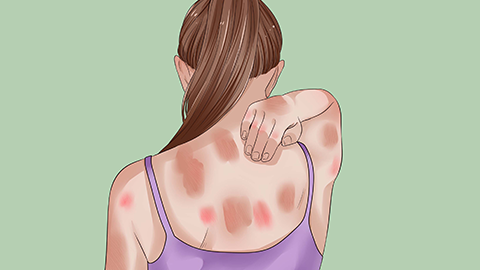
Note that during treatment, patients should avoid washing their hair with excessively hot water, as this may damage the scalp. When shampooing, gentle scalp massage is recommended to promote local blood circulation. Scratching the scalp vigorously with fingernails should be avoided, as it may cause localized infection; proper scalp care is essential.

In daily life, maintain a regular, balanced diet—avoid spicy, irritating foods and binge eating, and refrain from staying up late. We hope this information proves helpful.