How to Treat Severe Scalp Ringworm for Complete Recovery
May 30, 2022
Source: Cainiu Health

Dr. Liu Wan
Introduction
Excessive scalp ringworm (tinea capitis) first requires accurate identification of the specific fungal infection type, followed by appropriate topical antifungal creams and oral antifungal medications for effective treatment. However, this condition frequently recurs, as it is caused by fungal infection and is also closely related to the individual’s own physical condition—particularly immune function. Therefore, targeted treatment is essential for optimal efficacy. Additionally, maintaining good scalp hygiene in daily life is crucial.
Tinea capitis (scalp ringworm) is not uncommon in daily life. In its mild form, patients often mistake it for dandruff; in severe cases, it can adversely affect a patient’s appearance. So, how can one effectively treat and eradicate excessive scalp ringworm?
How to Effectively Treat and Eradicate Excessive Scalp Ringworm
First, the specific type of tinea must be accurately diagnosed. Treatment then involves applying appropriate topical antifungal medications and, when necessary, taking oral antifungal drugs. However, scalp ringworm frequently recurs because it results from fungal infection—and susceptibility is also influenced by individual host factors, particularly immune status. Therefore, comprehensive treatment addressing both the infection and underlying immunity is essential for effective management. Additionally, maintaining good scalp hygiene is crucial; avoid using harsh or irritating shampoos.
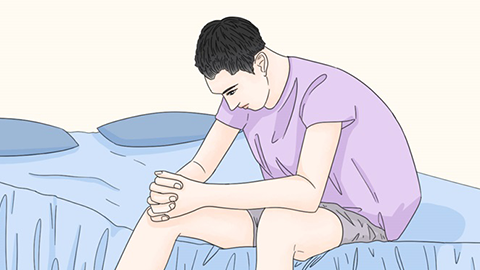
Scalp ringworm encompasses various dermatological conditions affecting the scalp—including erythema, scaling, and flaking—collectively termed “tinea.” Medically, tinea capitis specifically refers to superficial fungal infections caused by dermatophytes, such as those responsible for athlete’s foot or tinea capitis itself. Tinea capitis is a contagious superficial fungal infection, most commonly observed in young children (e.g., toddlers and preschoolers). With improved hygiene standards today, its incidence has significantly declined.
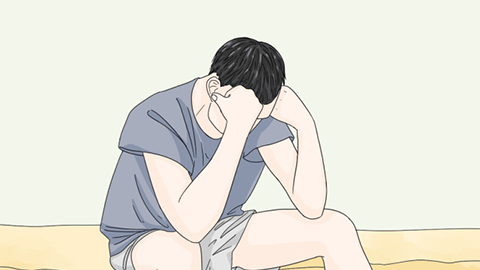
Clinically, it manifests as grayish scales on the scalp. Careful examination near the hair roots may reveal a sheath-like encasement surrounding the hair shaft, along with uneven, broken hairs. In clinical practice, what is commonly referred to as “scalp ringworm” is often actually seborrheic dermatitis—a non-infectious inflammatory skin condition characterized by dandruff and erythema. Most individuals presenting with these symptoms have seborrheic dermatitis rather than true fungal infection. We hope this information proves helpful!