Is heat rash the same as prickly heat?
Aug 24, 2022
Source: Cainiu Health

Dr. Liu Wan
Introduction
Heat rash primarily refers to miliaria (commonly known as “prickly heat”). This type of rash occurs due to exposure to hot, humid environments and results from incomplete evaporation of sweat, leading to obstruction of the eccrine sweat ducts. Clinically, it manifests as clusters of tiny vesicles on the skin surface—these vesicles may appear white or red, and in some cases, may become pustular. Upon development of such a rash, medical evaluation and guidance from a healthcare professional are recommended.
Often, due to pressures from work, daily life, and other stressors, many people experience varying degrees of physical discomfort. The body may respond with different symptoms, signaling that something is amiss. If these issues remain unaddressed, they can directly impair one’s quality of life. So—is heat rash the same as prickly heat (miliaria)?
Is heat rash the same as prickly heat?
Heat rash primarily refers to prickly heat (miliaria). This type of rash arises from exposure to hot, humid environments and results from incomplete evaporation of sweat, leading to blockage of the sweat ducts and subsequent skin manifestations. Clinically, it presents as clusters of tiny vesicles on the skin surface—these may appear white or red, and in some cases, become pustular. Upon onset of such a rash, it is advisable to consult a physician for guidance on topical treatments, such as calamine lotion or zinc oxide cream, which help soothe itching, promote drying, and provide astringent effects—thereby facilitating gradual resolution of the condition.
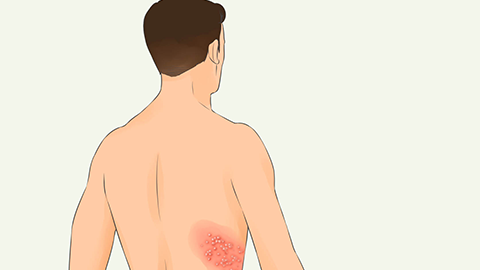
During hot weather, excessive sweating combined with impaired heat dissipation through the skin can lead to erythematous rashes. Symptoms typically subside or resolve spontaneously once ambient temperatures cool down. If heat rash develops, the first step is to remove oneself from the high-temperature environment. Apply Fude’an gel topically to affected areas, maintain a balanced diet, and temporarily avoid spicy or fried foods. Outdoor activities should be minimized; indoor temperature should ideally be maintained around 24°C. Gently rinse the affected skin with lukewarm water—the evaporation of moisture afterward aids in the resolution of the rash.
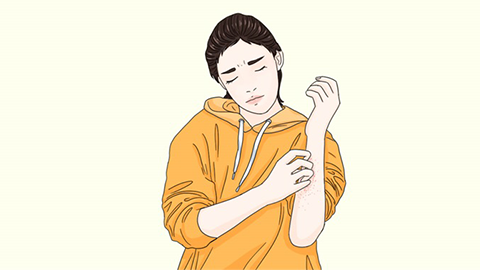
In daily life, patients should maintain a positive attitude and actively cooperate with their physicians’ treatment plans to promote prompt recovery. We hope this response has been helpful to you.