


Can infant bronchopneumonia resolve spontaneously?
Aug 31, 2022
Source: Cainiu Health

Dr. Xie Zixing
Introduction
Bronchopneumonia in infants generally does not resolve on its own. Due to their relatively weak constitution and poor immunity, infants have a limited ability to fight off bacteria or viruses. Once they develop an illness, it will not heal spontaneously without timely treatment. In clinical practice, the treatment of bronchopneumonia in infants typically involves the use of anti-infective medications, along with other appropriate drugs selected according to specific symptoms.
Infants’ bodies are extremely fragile; even a momentary lapse in parental vigilance can leave them vulnerable to illness. So, can infant bronchopneumonia resolve spontaneously?
Can infant bronchopneumonia resolve spontaneously?
Infant bronchopneumonia generally does not resolve spontaneously. Due to their relatively immature physiology and underdeveloped immune systems, infants have limited capacity to combat bacterial or viral infections. Without timely medical intervention, the condition will not improve on its own. In clinical practice, treatment for infant bronchopneumonia typically involves antimicrobial therapy, with drug selection guided by the child’s specific clinical presentation. For mild cases, oral or intravenous medications administered at home may suffice to alleviate symptoms. However, infants with more severe disease require prompt hospitalization. Nebulized inhalation therapy may be employed when necessary to relieve symptoms, enabling healthcare professionals to closely monitor disease progression and adjust medication regimens—including type, dosage, and administration route—as needed to support recovery.
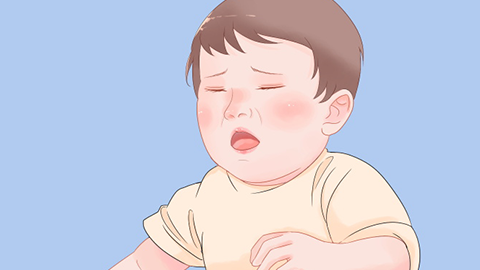
During illness, an infant’s diet should be highly nutritious, as bronchopneumonia is a catabolic condition—particularly during periods of fluctuating ambient temperatures, when metabolic demands increase substantially. While fighting infection, the body requires robust immune defenses, especially pathogen-specific antibodies. Sufficient antibody production depends critically on adequate nutritional intake. Therefore, the diet must include abundant high-quality protein and healthy fats, while remaining light and easily digestible. Infants not only need to meet baseline physiological requirements but also sustain rapid growth and development—thus requiring significantly higher intakes of protein, fat, and other essential nutrients than adults. Parents must be aware of these heightened nutritional needs.
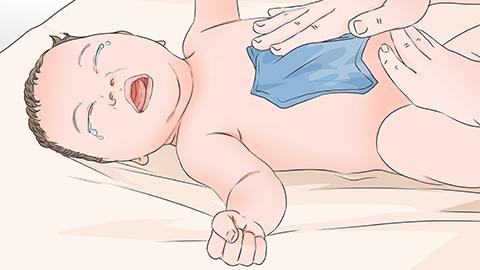
When symptoms appear, parents should promptly seek medical evaluation and treatment for their infant. We hope this information has been helpful.




