


Side effects of white Poria (Fu Ling)
Sep 13, 2022
Source: Cainiu Health

Dr. He Haochen
Introduction
Fu Ling (Poria) should not be taken in excessive amounts, as overuse may affect vision. Traditional Chinese medicines or herbal remedies are natural and generally have little to no side effects. Therefore, many people brew Chinese herbs into medicinal teas or soak them in alcohol to make medicinal wine, aiming to enhance health and vitality. However, there are six types of commonly used tonic herbs that, if used blindly, may damage the eyes and even lead to blindness. Hence, traditional Chinese medicines should not be taken indiscriminately.
White Poria (Bai Fuling) is relatively common in daily life. Some people, due to insufficient understanding of its effects and benefits, may experience adverse reactions from improper use. What are the side effects of White Poria?
Side Effects of White Poria
Poria should not be taken in excessive amounts. Overuse may affect vision. Traditional Chinese herbs are natural and generally have little or no side effects. Therefore, many people brew them into medicinal teas or wines for health enhancement. However, there are six types of health-promoting Chinese herbs that, if used blindly, may harm the eyes—even leading to blindness. Thus, traditional Chinese medicines should not be taken without guidance; medical advice must be followed.
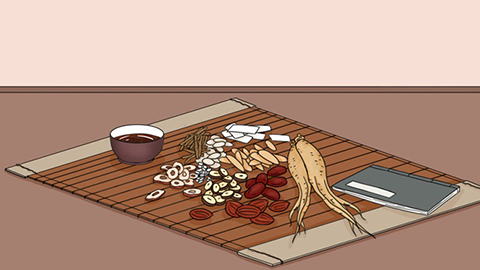
Poria has the functions of strengthening the spleen, promoting diuresis, and calming the mind. It is used to treat edema; phlegm accumulation, cough, vomiting; poor appetite due to spleen deficiency; diarrhea; palpitations; insomnia, and memory loss. Poria is commonly used for conditions such as impaired urination and edema. It helps eliminate excess water and dampness. With a neutral nature, it drains dampness without damaging vital energy, making it a key herb for promoting diuresis and resolving dampness. It can also be used for diarrhea caused by spleen deficiency. Poria not only strengthens the spleen but also effectively removes dampness, making it suitable for treating diarrhea resulting from poor spleen function and impaired digestion.
When taking any medication, it's essential to follow medical instructions and avoid blind or uninformed use to prevent adverse effects on the body. Drink plenty of warm water regularly and engage in outdoor physical activities. We hope this response is helpful to you. Wishing you good health and a happy life.





