What are the side effects of vine tea?
Dec 12, 2025
Source: Cainiu Health

Dr. Huang Yuhong
Introduction
Although vine tea has certain health benefits, some individuals may experience discomfort after consumption. Common side effects include gastrointestinal upset, sleep disturbances, allergic reactions, blood sugar fluctuations, and worsening of cold body constitution. When drinking vine tea, it is important to be aware of its contraindications and precautions, control the dosage and timing of consumption, and make reasonable choices based on individual physical conditions to ensure safety and suitability.
Tibetan tea has certain health benefits, but some individuals may experience discomfort after consumption. Common side effects mainly include gastrointestinal discomfort, sleep disturbances, allergic reactions, blood sugar fluctuations, and worsening of cold body constitution. A detailed analysis is as follows:
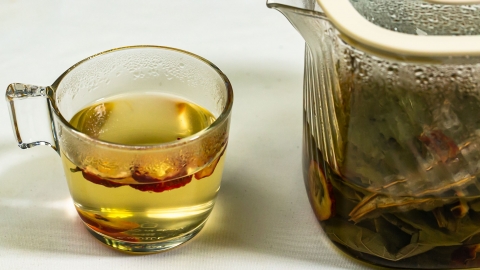
1. Gastrointestinal discomfort: Tibetan tea is relatively cooling in nature and contains a certain amount of tea polyphenols and other components. Excessive intake or drinking on an empty stomach can easily irritate the gastrointestinal mucosa, leading to symptoms such as stomach pain, bloating, diarrhea, or dull abdominal pain. These effects are particularly noticeable in individuals with weak spleen and stomach function.
2. Sleep disturbances: Tibetan tea contains small amounts of caffeine, which has a stimulating effect on the nervous system. Drinking excessive amounts in the afternoon or evening may lead to difficulty falling asleep or reduced sleep quality. Individuals sensitive to caffeine should be especially cautious.
3. Allergic reactions: A small number of people with allergic constitutions may react allergically to components in Tibetan tea. Symptoms may include skin itching, rashes, redness, or accompanying throat irritation, chest tightness, and others. Consumption should be stopped immediately if any of these symptoms occur.
4. Blood sugar fluctuations: Tibetan tea has a certain auxiliary effect in regulating blood glucose. However, for individuals with poor blood sugar control, excessive consumption may cause significant blood sugar fluctuations, which could negatively affect disease stability. Such individuals should consume it only under close monitoring of their blood glucose levels.
5. Worsening of cold body constitution: Due to its cooling nature, long-term consumption of Tibetan tea may impair the body's yang energy. Individuals with a cold constitution may experience aggravated symptoms such as sensitivity to cold, cold hands and feet, and loose stools. These individuals should avoid or minimize consumption.
When drinking Tibetan tea, attention should also be paid to its contraindications and precautions. Dosage and timing should be properly controlled, and personal physical condition should be taken into account to ensure safe and appropriate consumption.