


Precautions at 36 Weeks of Pregnancy
Sep 13, 2022
Source: Cainiu Health

Dr. Lv Aiming
Introduction
Precautions at 36 weeks of pregnancy include avoiding strenuous exercise and sexual intercourse. As the growing fetus causes the diaphragm to rise, pregnant women often feel chest tightness. It's best to sleep on the left side at night and watch for any signs of redness. If feeling unwell, avoid vigorous physical activity, always sleep on the left side, and refrain from sexual intercourse. Maintain a light yet nutritious diet, closely monitor fetal development, and have regular checkups to monitor the baby's heartbeat.
Every pregnant mother wishes for a healthy baby, so it's important to take good care of oneself throughout early, middle, and late pregnancy. What should you pay attention to at 36 weeks pregnant?
What to Pay Attention to at 36 Weeks Pregnant
At 36 weeks pregnant, avoid strenuous exercise and sexual intercourse. As the fetus grows larger, the diaphragm may be pushed upward, causing expectant mothers to frequently feel chest tightness. It’s best to sleep on your left side at night, and watch carefully for any signs of redness or irritation. If you're feeling unwell, do not engage in intense physical activity. Avoid sex, maintain a light yet nutritious diet, monitor fetal development closely, and have regular checkups to listen to the fetal heartbeat.

A baby born after 37 weeks is considered full-term, so mothers-to-be should begin preparing for delivery. After week 36, continue to manage your diet carefully—avoid excessive fetal growth, which could complicate normal childbirth. Daily walks can help promote a smoother labor. Establish healthy daily routines, avoid spicy and stimulating foods, reduce intake of high-fat and high-sugar foods, eat a light and balanced diet, and consume plenty of fresh vegetables and fruits.
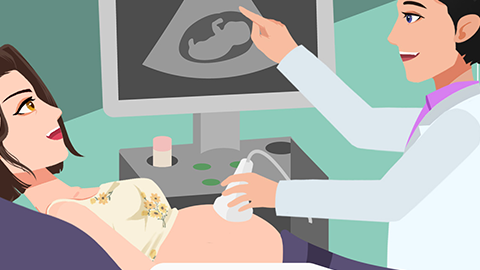
A typical early sign of pregnancy is missed menstruation—the most important signal of pregnancy. Around 40 days after the last period ends, pregnant women may start experiencing symptoms. These can include fatigue, dizziness, irritability, and obvious gastrointestinal symptoms such as nausea and vomiting. We hope this information is helpful to you. Wishing you good health and happiness.








