


What are the symptoms of complications of cirrhosis?
Sep 13, 2022
Source: Cainiu Health

Dr. Jin Zhongkui
Introduction
The main complications of cirrhosis are numerous. For example, ascites: in patients with portal hypertension, impaired reflux of gastrointestinal blood flow leads to increased venous pressure in the gastrointestinal tract, primarily manifesting as abdominal distension. Hematemesis and melena: in patients with portal hypertension, blood flows through collateral circulation, causing dilation of esophageal and gastric vessels, which may rupture due to eating or other factors, resulting in bleeding.
Liver cirrhosis is a common condition in daily life. Timely treatment is essential once cirrhosis develops, otherwise various complications may arise. What are the symptoms of liver cirrhosis complications?
Symptoms of Liver Cirrhosis Complications
Liver cirrhosis has several major complications. For example, ascites: patients with portal hypertension experience impaired blood reflux in the gastrointestinal tract, leading to elevated venous pressure in the gastrointestinal system, primarily manifesting as abdominal swelling. Hematemesis and melena: in patients with portal hypertension, blood flows through collateral circulation, causing dilation of esophageal and gastric veins, which may rupture due to eating or other factors.
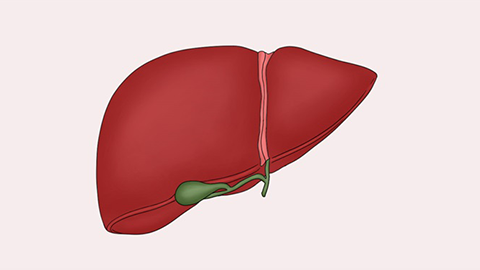
Hepatic encephalopathy: commonly occurs in patients with severe liver cirrhosis, who may develop mental disorders such as hepatic coma, mania, or inappropriate behavior. Hepatorenal syndrome: causes circulatory dysfunction affecting both the liver and kidneys, typically indicating a critical and urgent medical condition.
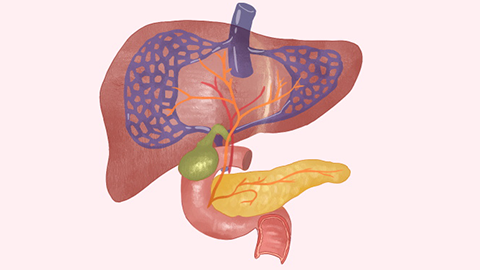
If chronic hepatitis B (minor three positives) is detected and further progression of liver cirrhosis needs to be prevented, active medication and development of healthy lifestyle habits are necessary. Regular monitoring of liver function and viral load is important, especially once cirrhosis has developed. Additionally, it's crucial to quit smoking and drinking, avoid overeating, consume more fresh green vegetables and fruits, maintain emotional stability, avoid irritability, and refrain from staying up late. These measures help slow the progression of liver cirrhosis. We hope this information is helpful to you. Wishing you good health and happiness.




