


What should I do if my two-year-old baby doesn't like to eat?
Sep 13, 2022
Source: Cainiu Health

Dr. Xie Zixing
Introduction
Adjust cooking methods appropriately. If a baby is reluctant to eat, it may be due to the type of food or the way it is prepared. Parents should therefore make an effort to vary their cooking methods. At the same time, they should avoid overly greasy preparations, as prolonged consumption of oily foods can impair the baby's digestive function and lead to loss of appetite. Develop good eating habits by feeding the baby at regular times and in appropriate portions.
Your baby is over one year old and entering toddlerhood. Many babies gradually develop a dislike for eating during this stage, which can be distressing for parents. So, what should you do when a two-year-old refuses to eat?
What to do when a two-year-old refuses to eat
Adjust food preparation methods appropriately. If your baby dislikes eating, it might be due to the type of food or how it's prepared. Parents should try varying cooking methods, while ensuring meals aren't overly greasy. Excessive oiliness over time may impair the child’s digestive function and lead to loss of appetite. Establish healthy eating habits. Feed your baby at regular times and in consistent amounts. Reduce snacks and treats between meals, and encourage your child to eat a varied diet without picky eating. Give your baby regular massages. After meals, parents can give their baby a few minutes of abdominal massage. This not only aids digestion and enhances parent-child bonding but also helps relieve poor appetite and food aversion. Encourage appropriate physical activity to improve appetite.
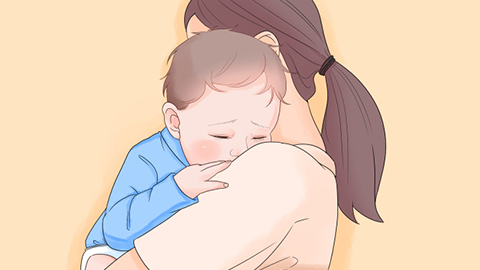
Before meals, take your baby to the park for some playtime. Moderate physical activity helps burn calories and increases appetite.

When dealing with a baby who refuses to eat, parents should avoid negative reactions. Instead, ensure daily intake of adequate trace elements and vitamins, focus on meal variety, provide appropriate feeding (if needed), and encourage moderate exercise to burn energy—these measures can effectively boost your baby’s appetite. We hope this information is helpful. Wishing you good health and happiness.






