What is the treatment for ultraviolet allergy?
Sep 13, 2022
Source: Cainiu Health

Dr. Liu Wan
Introduction
Symptoms of skin photosensitivity first appear on exposed areas such as the face, neck, and limbs, and in severe cases may also involve non-exposed areas like the trunk. After developing this type of photosensitivity, it is essential to avoid light exposure, minimize outdoor activities—especially between 10:00 a.m. and 2:00 p.m., when ultraviolet radiation is strongest—and refrain from going outdoors during this period whenever possible.
In real life, many people have sensitive skin. For instance, some individuals experience photosensitivity—i.e., an allergic reaction to ultraviolet (UV) radiation—and require treatment upon such exposure. What are the treatment options for UV allergy?
What Are the Treatment Options for UV Allergy?
Clinical manifestations of UV-induced photosensitivity typically first appear on sun-exposed areas such as the face, neck, and extremities; in severe cases, non-exposed areas—including the trunk—may also be involved. Upon developing this condition, the foremost priority is photoprotection: minimize outdoor activities, especially between 10:00 a.m. and 2:00 p.m., when UV radiation is most intense. Apply broad-spectrum sunscreen daily before going outdoors to protect against both UVB and UVA rays.
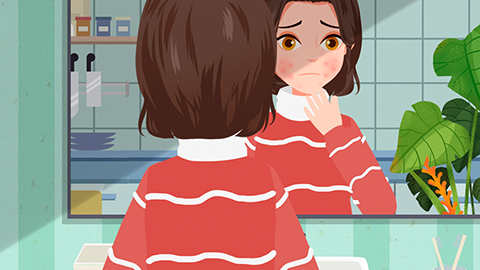
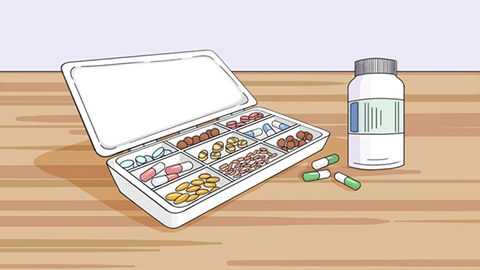
Treatment for UV allergy may include oral administration of loratadine and hydroxychloroquine to alleviate inflammation and pruritus. In severe cases, systemic corticosteroids (e.g., oral prednisone) or intramuscular injection of betamethasone compound injection may be prescribed concurrently. During the acute phase, when erythema and edema are prominent, calamine lotion may be applied topically several times daily. In subacute and chronic phases, mild-to-moderate potency topical corticosteroids—such as desonide cream, hydrocortisone butyrate ointment, or mometasone furoate cream—may be used; however, prolonged use should be avoided. Alternating topical corticosteroids with calcineurin inhibitors (e.g., tacrolimus or pimecrolimus) can help mitigate potential adverse effects associated with long-term corticosteroid use.
Dietary modifications are also important: avoid foods known to trigger allergic reactions. Additionally, regular physical exercise is recommended to strengthen overall health and immunity. We hope this information proves helpful. Wishing you good health and happiness!