


What Are the Symptoms of UV Allergy?
Apr 24, 2022
Source: Cainiu Health

Dr. Gan Liqiang
Introduction
The primary cause of ultraviolet (UV) allergy is likely UV-induced production of antigenic substances in the skin, leading to allergic cutaneous inflammation. UV radiation can trigger various photosensitivity disorders. One of the more common conditions is polymorphous light eruption (PLE), which predominantly affects sun-exposed areas—such as the face and the V-shaped area of the chest. Symptoms in these regions include pruritus, papules, erythema, and vesicles.
Many people in daily life suffer from ultraviolet (UV) radiation allergy. Prolonged sun exposure may trigger various skin symptoms, causing significant concern. So, what are the symptoms of UV allergy?
What Are the Symptoms of UV Allergy?
The primary cause of UV allergy is likely UV-induced production of antigenic substances in the skin, leading to allergic inflammatory dermatitis. UV radiation can provoke multiple photodermatoses. The most common is polymorphic light eruption (PLE), which predominantly affects sun-exposed areas—such as the face and the V-shaped area of the chest. Affected regions develop pruritic papules, erythematous plaques, vesicles, and other eczema-like lesions, primarily confined to exposed skin surfaces; symptoms typically subside gradually upon sun avoidance.
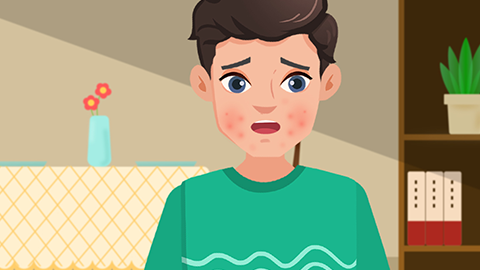
Other, more severe conditions may also occur—for instance, hydroa vacciniforme, which manifests as acne-like skin lesions and may leave scars upon healing. Additionally, chronic UV allergy may develop. Repeated and long-term allergic inflammation can result in localized hyperpigmentation and premature skin aging. Persistent scratching may further lead to lichenification—characterized by thickened, rough, and leathery skin. A relatively common example is chronic actinic dermatitis, which predominantly affects men over 50 years of age and tends to be refractory.

In daily life, appropriate photoprotection measures should be taken—such as carrying an umbrella or wearing a wide-brimmed hat when outdoors. We hope this information is helpful to you!



