What Are the Symptoms of UV Allergy?
Apr 28, 2022
Source: Cainiu Health

Dr. Liu Wan
Introduction
UV allergy is primarily caused by ultraviolet (UV) radiation in sunlight, leading to severe skin allergic reactions and itching that may last 1–2 days. It can be classified into two types:
- First-degree UV allergy: characterized by diffuse erythema (redness) on sun-exposed areas of the skin;
- Second-degree UV allergy: characterized by localized skin erythema and swelling, sometimes accompanied by blister formation.
Many people experience allergic reactions to ultraviolet (UV) radiation. What are the symptoms of UV allergy?
What Are the Symptoms of UV Allergy?
UV allergy manifests with several characteristic symptoms, primarily involving severe skin allergic reactions and intense pruritus (itching) triggered by UV radiation in sunlight. These symptoms typically persist for 1–2 days. Clinically, UV allergy can be categorized into two types: - Mild (first-degree) UV allergy: Characterized by diffuse erythematous patches on sun-exposed skin areas. - Moderate-to-severe (second-degree) UV allergy: Marked by localized skin erythema and edema, sometimes progressing to vesicle formation. These vesicles contain pale yellow serous fluid and are often accompanied by pruritus, burning, or stinging sensations. Vesicles may rupture, leading to erosions; prolonged healing may result in post-inflammatory hyperpigmentation—darkened patches following resolution of the vesicles. In severe cases, systemic symptoms may occur, including fever, headache, palpitations, and gastrointestinal manifestations such as nausea and vomiting.
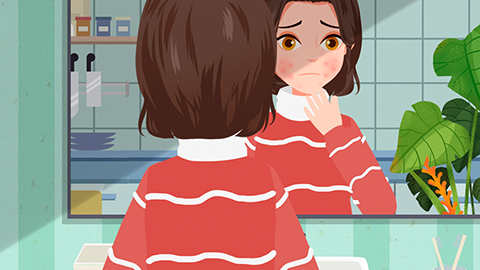
Typical manifestations of UV allergy include rash and pruritus, predominantly affecting sun-exposed areas such as the face, neck, upper chest, and extremities. Lesions may present as erythematous patches, papules, or even vesicles. Rashes usually appear several hours to days after UV exposure and are commonly associated with itching.
In early summer or spring, as UV intensity increases, polymorphic light eruption (PLE) frequently occurs. During peak summer months, the body often develops partial tolerance to UV radiation, resulting in gradual symptom improvement. We hope this information is helpful!