


What causes bleeding after getting an IUD?
Sep 13, 2022
Source: Cainiu Health

Dr. Lv Aiming
Introduction
Post-insertion bleeding is a relatively common phenomenon, especially within the first three months after IUD placement. It may also be caused by mechanical irritation leading to abnormal uterine contractions, resulting in rupture of small endometrial blood vessels. Most individuals will not experience such abnormal bleeding after three months and will return to normal. However, some may develop menorrhagia, prolonged menstruation, or irregular vaginal bleeding.
Many female friends choose not to have children after marriage and use intrauterine devices (IUDs) as a method of contraception. However, later on, some women may experience bleeding. What causes bleeding after IUD insertion?
What Causes Bleeding After IUD Insertion?
Bleeding after IUD placement is a relatively common occurrence, especially within the first three months following insertion. The bleeding may result from mechanical irritation causing abnormal uterine contractions, leading to minor ruptures in the blood vessels of the endometrium. Most women will no longer experience such abnormal bleeding after three months and will return to normal. However, some women may develop heavy menstrual flow, prolonged periods, or irregular vaginal bleeding. If menstruation has not returned to normal after three months, it may indicate that their body is not adapting well to the IUD, and they should consult a doctor about possibly removing the device.
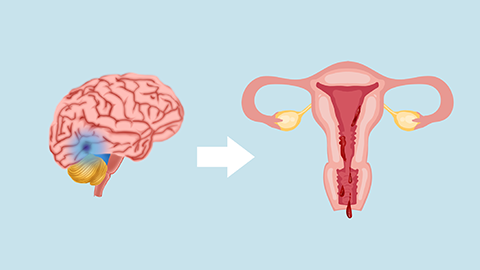
An IUD works by being placed into the uterine cavity, altering the intrauterine environment so that embryo implantation becomes unfavorable, thus achieving contraception. Potential side effects of IUD use include prolonged menstrual periods, slightly increased menstrual flow, abdominal discomfort, or menstrual cramps in some women.个别 cases may experience significantly heavier periods, spotting between periods, severe abdominal pain, or even unintended pregnancy. If any of these symptoms occur, a medical check-up at the hospital is recommended.
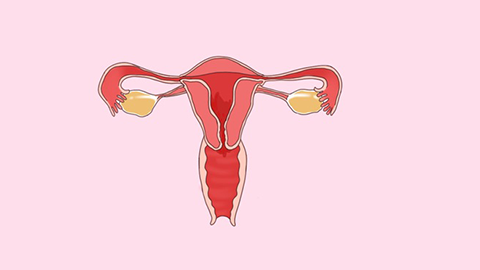
After IUD insertion, it's important to get adequate rest, avoid heavy physical labor to prevent displacement or expulsion of the device, and maintain good hygiene of the genital area. We hope this information helps you. Wishing you good health and happiness!






