How to adjust lumbar muscle strain through dietary therapy
Sep 13, 2022
Source: Cainiu Health

Dr. Lin Yunfei
Introduction
You can consume the following for lumbar muscle strain: Eucommia and dog spine soup, angelica and ox tail soup, walnut and bone-replenishing juice soup, loach soup, sesame and pig stomach soup, fresh rehmannia black-boned chicken, fennel-stewed pork kidney, cistanche mutton porridge, walnuts stir-fried with leeks, leek stir-fry with shrimp, etc. Most cases of lumbar muscle strain are caused by poor posture. It may be difficult to avoid prolonged sitting or standing.
Lumbar muscle strain is mainly caused by excessive body weight or engaging in heavy physical labor. Once lumbar muscle strain occurs, attention should be paid to diet. How can dietary therapy help manage lumbar muscle strain?
How to Manage Lumbar Muscle Strain with Dietary Therapy
Recommended soups and dishes for lumbar muscle strain include Eucommia dog spine soup, angelica stewed oxtail, walnut and bone-replenishing soup, loach soup, sesame pork stomach soup, rehmannia black-boned chicken, fennel-stewed pork kidney, cistanche mutton porridge, stir-fried walnuts with leeks, and leek with shrimp stir-fry. Most cases of lumbar muscle strain are caused by poor posture, and it may be difficult to avoid prolonged sitting or standing.
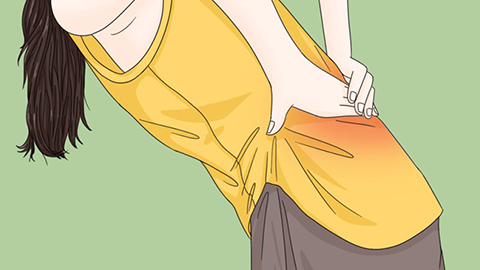
If your job requires long periods of sitting or standing, it is generally recommended that patients wear a lumbar support brace reinforced with steel or bamboo strips. Since the weight of the upper body rests on the lumbar vertebrae, the muscles surrounding the lumbar spine help maintain stability to support this weight. If these muscles remain tense for extended periods, poor circulation, soreness, and discomfort may develop. Wearing a lumbar support adds external support, helping to relieve tension in the lower back muscles and ligaments.
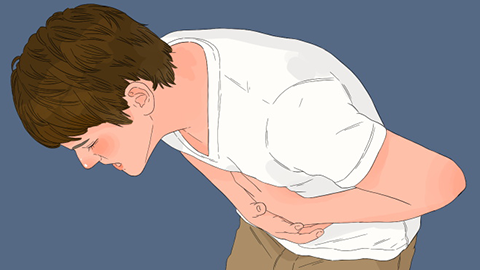
When sitting, try placing a cushion behind your lower back to reduce the load on your spine and ease pressure on the lumbar vertebrae. Also, avoid semi-reclining positions, as they negatively affect the natural curvature of the lumbar spine. While seated, keep your upper body upright and supported—lean against the backrest but avoid slouching or half-lying in a chair. Paying attention to these habits can help prevent lumbar muscle strain. We hope this information helps you. Wishing you good health and happiness!