


What are the symptoms of slow fetal development?
Sep 13, 2022
Source: Cainiu Health

Dr. Lv Aiming
Introduction
During pregnancy, intrauterine growth restriction (IUGR) in the fetus may cause certain signs in the pregnant woman's body. Attentive mothers can use these symptoms as indicators to assess fetal health. If a pregnant woman's abdominal circumference does not meet expected standards during pregnancy, the fetus may experience intrauterine growth restriction, accompanied by symptoms such as abnormal weight changes. Many pregnant women may inadvertently affect fetal health if they are not careful during pregnancy.
In daily life, there are cases in which fetal development is slow. What symptoms indicate slow fetal growth?
What Are the Symptoms of Slow Fetal Development?
During pregnancy, intrauterine growth restriction (IUGR) may cause certain signs in the mother's body. Attentive pregnant women can use these symptoms to assess whether the fetus is healthy. If a pregnant woman’s abdominal circumference does not meet expected standards, it may indicate that the fetus is experiencing intrauterine growth retardation, along with other symptoms such as abnormal weight changes. Many pregnant women may inadvertently affect fetal health due to lack of attention during pregnancy, and some may cause fetal growth restriction for various reasons. If delayed fetal development during pregnancy is not treated promptly, it may negatively impact the baby’s health at birth. Be aware of possible fetal growth delays. When fetal growth lags behind normal expectations, the fetus should normally grow larger as gestational weeks progress, and the mother’s weight should steadily increase accordingly.
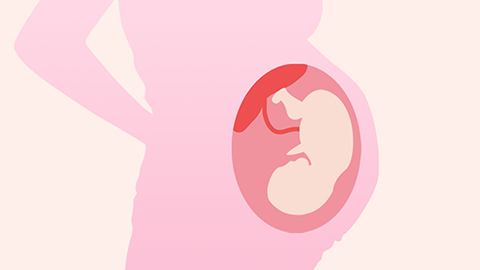
During pregnancy, it is important to pay close attention to physical condition and diet. Although pregnant women generally do not have many dietary restrictions, they should avoid overeating—small, moderate portions are recommended. Excessive intake should be avoided. It is also essential to engage in appropriate exercise in daily life and avoid prolonged sitting, as this is not beneficial for the fetus. Expectant mothers should consume more fruits, particularly those with warm properties, and limit consumption of cold-natured fruits and foods.

Additionally, if other symptoms occur, it is advisable to seek medical evaluation promptly when feeling unwell. After identifying the underlying cause, appropriate treatment should be administered. We hope this information is helpful to you. Wishing you good health and a happy life!





