


How to treat skin fungus (tinea)
Sep 13, 2022
Source: Cainiu Health

Dr. Liu Wan
Introduction
Mild cases may be treated with topical corticosteroids such as desonide cream, halometasone cream; vitamin D3 derivatives such as calcipotriol ointment; and calcineurin inhibitors such as tacrolimus ointment. In addition to topical medications, systemic treatments may include oral retinoids, traditional Chinese medicine preparations such as Yinxie Granules or Xiaoyin Granules, compound glycyrrhizin preparations, and biologic agents.
Tinea, a commonly seen skin condition in daily life, often causes significant distress for many patients during treatment and can seriously affect normal daily activities and work. How should tinea be treated?
How to Treat Tinea
Mild cases may be treated with topical corticosteroids such as desonide cream or halometasone cream, vitamin D3 derivatives such as calcipotriol ointment, and calcineurin inhibitors such as tacrolimus ointment. In addition to topical medications, oral treatments may include retinoids, traditional Chinese medicine preparations such as Yinxie Granules or Xiaoyin Granules, compound glycyrrhizin preparations, and biologic agents.
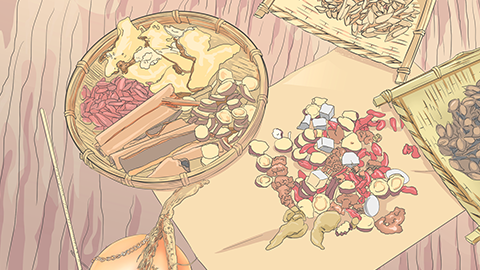
Tinea can infect any part of the body, and different types present with varying clinical symptoms. When tinea capitis invades the hair, it may cause ringworm lesions, blisters, or pustules. Tinea cruris (jock itch) and tinea pedis (athlete's foot) can lead to symptoms such as redness, scaling, crusting, pus formation, and fissures, accompanied by itching of varying severity. Psoriasis—often occurring on elbows, knees, and other areas—presents in diverse forms covered with silvery-white scales.
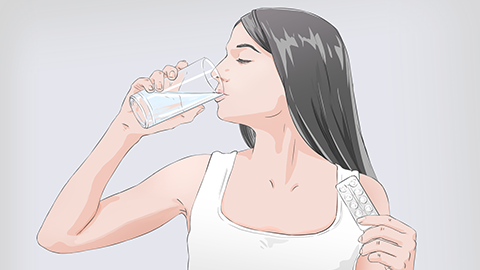
Tinea pedis, onychomycosis (nail fungus), and tinea cruris typically occur around the groin area. Fungal infections occurring elsewhere on the skin are referred to as tinea corporis (body ringworm). This group of skin disorders is caused by various dermatophytes and superficial fungi. Additionally, when Malassezia furfur overgrows on the skin—normally present as commensal organisms—it can lead to pityriasis versicolor (tinea versicolor). Generally, tinea affecting areas other than the scalp is caused by surface fungi, and medical consultation is necessary for accurate diagnosis before initiating targeted treatment. We hope this information has been helpful. Wishing you good health and happiness!




