


What should I do if my baby's eczema is itchy?
Sep 13, 2022
Source: Cainiu Health

Dr. Liu Wan
Introduction
Avoid spicy, irritating foods, seafood, beef, mutton, onions, ginger, garlic, and other foods that may worsen eczema symptoms. Encourage consumption of fruits, vegetables, whole grains, porridge, and similar foods. Ensure adequate hydration. Maintain a stable indoor temperature; extreme cold or heat may compromise the baby's weak immune system, increasing susceptibility to bacterial or viral infections and triggering other illnesses. Ventilate the room regularly every day and frequently change the baby's undergarments.
In daily life, infants have relatively low resistance and immunity, making them prone to various diseases and adverse symptoms. Some babies develop eczema, which can affect their everyday life. So, what should you do if your baby has itchy eczema?
What to Do About Itchy Infant Eczema
Avoid spicy, irritating foods, seafood, beef, mutton, onions, ginger, garlic, and other foods that may worsen eczema symptoms during feeding. Instead, increase intake of fruits, vegetables, whole grains, porridge, and other nutritious foods. Also ensure adequate hydration. Regulate indoor temperature to avoid extremes—infants with weak immune systems are susceptible to bacterial and viral infections, which may trigger other illnesses. Ventilate the room regularly every day and frequently change the baby’s undergarments. Since a baby's skin is delicate, use mild ointments with minimal irritation, and topical medications may also be applied. In addition to daily skincare and topical treatments, probiotics can be administered to help balance intestinal flora and promote digestion. Infantile eczema is primarily related to the immature development of the immune system and represents a specific allergic reaction by the body to certain antigens.
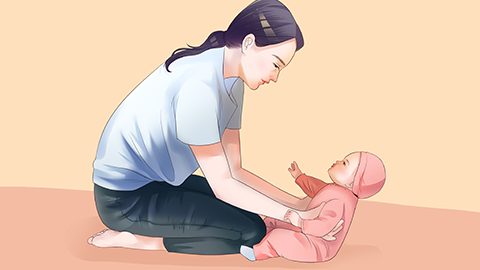
Overall, there are two main factors contributing to infantile eczema. The first is the infant’s own physical constitution—some babies are inherently predisposed to allergies and eczema when exposed to external environments. The second factor involves skin discomfort in infants, which can easily lead to eczema, such as overly humid rooms, excessively high indoor temperatures, or overdressing the baby. Eczema is a common skin condition during infancy and typically improves as the baby grows and their immune system strengthens.
Greater attention should be paid to preventing eczema to avoid its occurrence and negative impact on the infant’s daily life. We hope this response has been helpful to you. Wishing you good health and happiness!



