


Side effects of medications for anxiety and depression
Sep 13, 2022
Source: Cainiu Health

Dr. Yang Jun
Introduction
The main side effects of anti-anxiety and antidepressant medications on the nervous system include: certain antidepressants and anxiolytics that primarily exert sedative effects, such as alprazolam and temazepam, may cause side effects such as excessive sleepiness, slowed reaction time, dizziness, headache, and difficulty concentrating. They may also trigger seizures, serotonin syndrome, or other neurological symptoms.
In recent years, the number of people suffering from depression has been increasing. Early detection and timely treatment usually lead to good therapeutic outcomes for depression. What are the side effects of medications used for anxiety and depression?
Side Effects of Medications for Anxiety and Depression
Nervous system: Certain anti-anxiety and antidepressant medications that primarily exert sedative effects—such as alprazolam and temazepam—may cause side effects including excessive sleepiness, slowed reaction time, dizziness, headache, and difficulty concentrating. They may also trigger seizures, serotonin syndrome, or other neurological symptoms.
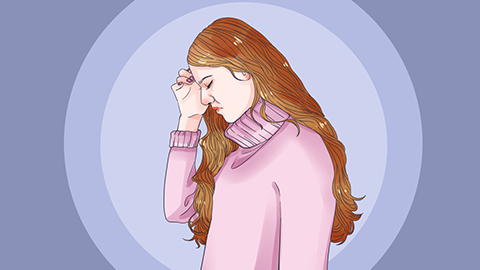
Cardiovascular system: Antidepressants and anti-anxiety drugs can, to some extent, cause arrhythmias, including premature beats, tachycardia, or bradycardia. They may also lead to conduction blocks and even trigger atrial fibrillation or orthostatic hypotension. Digestive system: Some antidepressants such as fluoxetine, sertraline, and paroxetine commonly cause gastrointestinal side effects, including nausea, vomiting, diarrhea, and other symptoms of indigestion, or loss of appetite associated with depression.
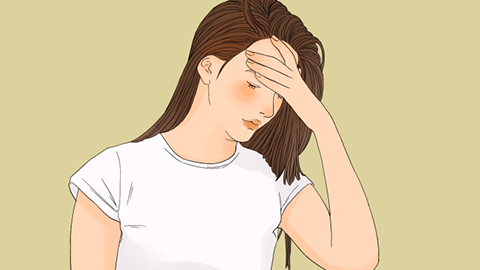
Hematological system: Long-term use of antidepressants and anti-anxiety medications may lead to abnormalities in blood formation, including reduced white blood cell count due to agranulocytosis, aplastic anemia, coagulation disorders, and even hemolytic anemia—representing potential adverse effects on the hematological system. We hope this answer is helpful to you. Wishing you good health and happiness!




