


How long should fluoxetine be taken to treat anxiety disorder?
Nov 24, 2025
Source: Cainiu Health

Dr. Zhang Baohua
Introduction
Fluoxetine treatment for anxiety disorders typically requires 6–12 months of medication, conducted in distinct phases: the acute phase to control symptoms, the consolidation phase to prevent relapse, and the maintenance phase to stabilize the condition. Medication should be taken regularly according to the prescribed course. If symptoms do not improve or severe adverse reactions occur after taking the medication, prompt medical consultation is recommended. The acute phase lasts approximately 1–3 months, during which the dosage should be gradually adjusted to allow the body to adapt to the drug.
Fluoxetine treatment for anxiety disorders typically requires medication for 6–12 months, conducted in stages: the acute phase to control symptoms, the consolidation phase to prevent relapse, and the maintenance phase to stabilize the condition. Treatment should be followed strictly according to the prescribed course. If symptoms do not improve or severe adverse reactions occur after taking the medication, prompt medical consultation is recommended.
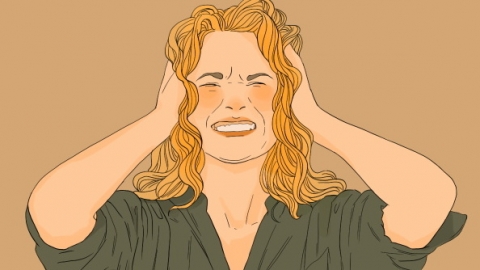
The acute phase lasts approximately 1–3 months. During this stage, the dosage should be gradually adjusted to allow the body to adapt to the medication and alleviate core anxiety symptoms such as tension, fear, and palpitations. Most patients experience gradual symptom relief within 4–6 weeks of starting treatment; therefore, medication should not be discontinued prematurely due to unsatisfactory initial results.
The consolidation and maintenance phases together last 3–9 months. After symptom control is achieved, continued medication is necessary to consolidate therapeutic effects and prevent recurrence. The maintenance dose can be adjusted based on individual patient conditions. For patients at higher risk of relapse, the maintenance phase may extend beyond one year, and full-course treatment must be completed under medical guidance.
During treatment, maintain regular sleep patterns and avoid staying up late. Refrain from alcohol and caffeinated beverages, follow a light and balanced diet, engage in moderate, gentle exercises such as walking, maintain emotional stability, and take medication at fixed times and doses as prescribed—do not adjust the dosage without medical advice.


