


What blood sugar level is considered high, and what is the normal range?
Sep 13, 2022
Source: Cainiu Health

Dr. Pan Yongyuan
Introduction
Normal blood glucose ranges for hyperglycemia vary depending on the time of measurement. The criteria for diagnosing hyperglycemia are based on fasting blood glucose and postprandial (after-meal) blood glucose levels. Fasting blood glucose concentration should not exceed 6.0 mmol/L, and postprandial blood glucose concentration should remain below 7.8 mmol/L. If a patient's blood glucose test shows elevated fasting or postprandial levels, the likelihood of hyperglycemia is high, although this does not guarantee a 100% accurate diagnosis.
Younger individuals are increasingly affected by high blood glucose. High blood glucose is primarily associated with unhealthy eating habits and irregular lifestyles, which should raise significant concern among young people. Clinically, elevated blood glucose can lead to chronic diseases affecting various tissues and nerve organs. So, what blood glucose level is considered high, and what is the normal range?
What Blood Glucose Level Is Considered High, and What Is Normal?
The normal range for blood glucose varies depending on the time of measurement. The criteria for diagnosing high blood glucose are based on fasting blood glucose and post-meal (postprandial) blood glucose levels. Fasting blood glucose should not exceed 6.0 mmol/L, while post-meal blood glucose should remain below 7.8 mmol/L. If a patient's test results show elevated fasting or post-meal glucose levels, there is a high probability of hyperglycemia, although this alone is not 100% conclusive. Additional tests, such as an oral glucose tolerance test (OGTT), are needed for accurate diagnosis.
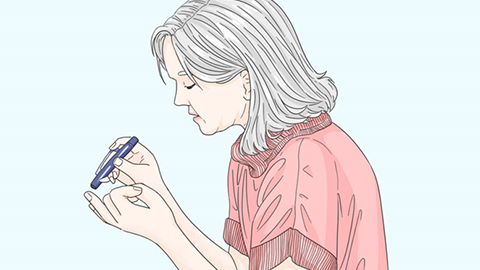
If fasting blood glucose exceeds 11.0 mmol/L, it indicates reduced insulin secretion in the body. This condition is serious and requires immediate attention. Currently, the most effective ways to manage blood glucose include dietary control, medication, and insulin therapy. Diet-wise, patients should choose low-sugar and low-glycemic foods such as bitter gourd and cucumber. For medication, patients may opt for antidiabetic drugs with minimal side effects.

Individuals with high blood glucose must strictly control their blood sugar levels. They should avoid foods high in sugar and starch. We hope this information has been helpful! Wishing you good health and happiness!






