


What symptoms occur when immunity decreases?
Sep 13, 2022
Source: Cainiu Health

Dr. Pan Yongyuan
Introduction
The most common symptoms of low immunity include colds, fever, cough, sore throat, and phlegm production. Secondary manifestations are infections caused by viruses, bacteria, and fungi, with cancer being the most severe consequence. Low immunity often presents as lethargy and loss of appetite. Individuals may feel cold and chilly during winter, experience poor sleep quality, and frequently wake up at night. People with weakened immune systems often feel exhausted and drained of energy even after mild physical exertion.
Decreased immunity refers to a decline in the body's immune system function caused by excessive fatigue, overexertion, or certain underlying diseases, leaving the body vulnerable to infections such as bacteria and more prone to illness. So, what symptoms occur when immunity is reduced?
What symptoms appear with decreased immunity?
The most common symptoms of low immunity include colds, fever, cough, sore throat, and phlegm production. This may be followed by viral, bacterial, or fungal infections, with cancer being the most severe consequence. Low immunity typically manifests as lethargy and loss of appetite. Additionally, during winter, individuals may feel more sensitive to cold, experience chills, suffer from poor sleep, and frequently wake up at night. People with weak immunity often feel drained and fatigued even after mild physical exertion.

Immunity is the body’s natural defense mechanism. When immunity is low, the body’s self-defense capability declines, making it easier for viruses, bacteria, and fungi to invade. Conditions such as allergic reactions, autoimmune diseases, bronchitis, asthma, and pneumonia may result. In the urinary system, people with low immunity may experience symptoms like urgency, frequency, and incomplete bladder emptying. It is important for those with weakened immunity to consume adequate amounts of high-protein foods and vitamins, which help replenish essential nutrients and support improved immune function.
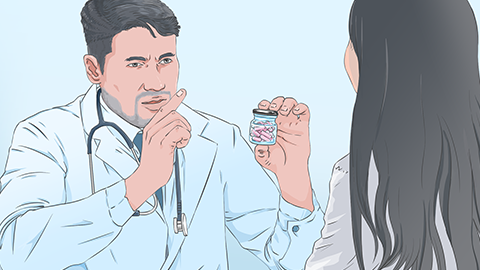
It is recommended that individuals with low immunity engage in moderate physical activities such as jogging or brisk walking to strengthen the body and accelerate the recovery of immune function. We hope this information is helpful to you. Wishing you good health and happiness.






