Symptoms of excessive heart fire
Sep 13, 2022
Source: Cainiu Health

Dr. Pan Yongyuan
Introduction
Generally speaking, the heart opens into the tongue in traditional Chinese medicine, and conditions of the tongue often reflect excessive heart fire, such as mouth ulcers, irritability, skin sores, facial breakouts, dry mouth, thirst, and dry bowel movements—all of which are manifestations of excessive heart fire. Additionally, according to TCM, the heart and small intestine are internally and externally related; therefore, symptoms of damp-heat in the small intestine are often associated with excessive heart fire. The most typical symptom is frequent urination.
Excessive heart fire is a relatively common syndrome in Traditional Chinese Medicine (TCM). Many people experience this condition in daily life. What, then, are the symptoms of excessive heart fire?
Symptoms of Excessive Heart Fire
Generally speaking, according to TCM, the heart "opens into" the tongue, so symptoms related to the tongue often reflect excessive heart fire—such as mouth ulcers, infections, irritability, quick temper, skin boils, facial pimples, dry mouth, thirst, and dry bowel movements. These are all typical manifestations of excessive heart fire. Additionally, TCM holds that the heart and small intestine are internally and externally related. Therefore, symptoms of damp-heat in the small intestine are often associated with excessive heart fire. The most typical symptoms include frequent urination, urgency, and painful urination.
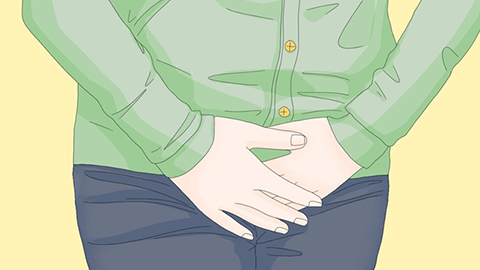
Thus, for patients with urinary tract infections, alleviating symptoms of damp-heat in the small intestine can be achieved by reducing heart fire. For example, a classic TCM formula called Dao Chi San (Conducting Red Powder) clears heat from the small intestine by reducing heart fire, effectively treating frequent urination, urgency, dysuria, and improving symptoms of damp-heat in the small intestine. Moreover, if the condition is caused by consuming spicy or irritating foods, it's important to develop healthy dietary habits—avoiding spicy, stimulating, and greasy foods, drinking plenty of water, and eating more light and清淡 (clear and mild) foods.
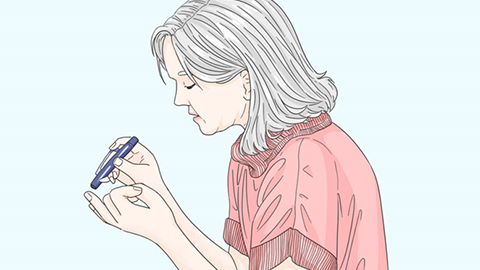
If excessive heart fire is due to emotional agitation or excessive mental stress, oral medications such as Huang Lian Shang Qing Pian, Niu Huang Qing Xin Wan, or Long Dan Xie Gan Wan may be recommended to effectively reduce heart fire. Patients with excessive heart fire should also manage their emotions carefully, eat less chili, mutton, and limit alcohol consumption, avoiding spicy and irritating foods as much as possible. We hope this article has been helpful to you. Wishing you good health and happiness.