


What are the symptoms of hepatitis B flare-up?
Sep 13, 2022
Source: Cainiu Health

Dr. Jin Zhongkui
Introduction
Chronic hepatitis B can be diagnosed if symptoms of chronic hepatitis are present, such as increased liver echogenicity or significant liver fibrosis shown on liver color Doppler ultrasound. Symptoms during hepatitis onset vary among individuals and mainly include fatigue, loss of appetite, nausea, vomiting, abdominal distension, discomfort in the liver area, or pain under the ribs on both sides. When bilirubin levels rise, symptoms may also include dark urine, and yellowing of the skin and sclera.
Hepatitis B is classified into acute hepatitis B and chronic hepatitis B, differentiated by the duration of infection. If the infection has clearly lasted more than six months or the time of infection cannot be determined, what symptoms does a hepatitis B flare-up present?
What are the symptoms of a hepatitis B flare-up?
If symptoms of chronic hepatitis are present—such as increased liver echogenicity or evident liver fibrosis shown on liver color Doppler ultrasound—chronic hepatitis B can be diagnosed. Symptoms during hepatitis flare-ups vary among individuals, but mainly include fatigue, loss of appetite, nausea, vomiting, abdominal bloating, discomfort in the liver area, or discomfort along both sides of the ribs. When bilirubin levels rise, symptoms may also include dark urine, and yellowing of the skin and sclera (jaundice).
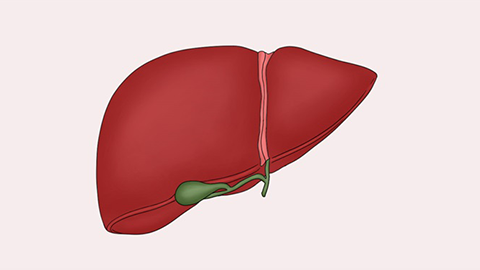
Hepatitis B progresses through three stages: immune tolerance phase, immune clearance phase, and recovery phase. During the immune tolerance phase, liver function remains normal and typically requires no intervention other than adequate rest and avoidance of alcohol and late-night habits. The immune clearance phase, however, often involves abnormal liver function and requires liver-protective and antiviral treatments. The recovery phase refers to the period after treatment when liver function stabilizes. With China's economic development, an increasing number of antiviral drugs have become available, leading to better control of hepatitis B. Effective management even at later stages of the disease can reduce the incidence of cirrhosis and improve long-term patient outcomes.

Hepatitis B refers to individuals who test positive for hepatitis B surface antigen due to infection with the hepatitis B virus. The main causes of HBV infection include exposure to the virus through blood, sexual contact, or vertical transmission from mother to child. Patients diagnosed with this condition should seek timely treatment and maintain a light, bland diet. We hope this article has been helpful to you. Wishing you good health and happiness!





