


What is the normal blood pressure range for the elderly?
Sep 13, 2022
Source: Cainiu Health

Dr. Li Man
Introduction
Current research indicates that the ideal blood pressure for older adults is 91/60–120/81 mmHg. If an elderly person's blood pressure falls within this range and they experience no discomfort such as dizziness or headache, their condition is considered ideal. A blood pressure of 120/80–140/90 mmHg is regarded as the upper limit of normal. Persistent blood pressure at or above 140/90 mmHg can be diagnosed as hypertension.
As people age, many experience high blood pressure, which not only harms their health but also affects daily life. Understanding the condition is essential for effective prevention and treatment. So, what is the normal blood pressure range for older adults?
What Is the Normal Blood Pressure Range for Older Adults?
Current research indicates that the ideal blood pressure range for elderly individuals is between 91/60 mmHg and 120/81 mmHg. If an older person's blood pressure falls within this range without symptoms such as dizziness or headaches, it is considered optimal. A blood pressure reading of 120/80 mmHg to 140/90 mmHg is regarded as being at the upper limit of the normal range. Persistent blood pressure at or above 140/90 mmHg can be diagnosed as hypertension.
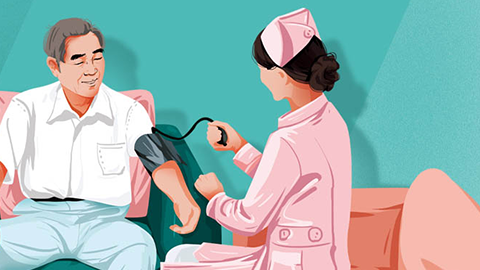
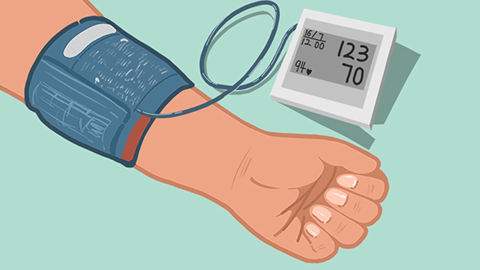
Blood pressure must be accurately measured to determine its true value. It is recommended to rest for about 15 minutes before taking a measurement. During this rest period, avoid tension, excitement, anxiety, anger, or any startling events, and refrain from physical activity, as both exercise and emotional fluctuations may cause blood pressure variations. Avoid drinking tea or smoking during the resting period, since substances like theophylline, caffeine, and nicotine may stimulate the sympathetic nervous system, leading to blood pressure fluctuations and inaccurate readings. For greater accuracy, take three consecutive measurements and calculate the average value, which better reflects the elderly person’s actual blood pressure at that time.
In daily life, avoid spicy and irritating foods, drink plenty of water to promote metabolism, and engage in appropriate outdoor exercise to boost immunity. We hope this information is helpful to you. Wishing you good health and happiness!



