


What is the normal range for blood pressure?
Sep 13, 2022
Source: Cainiu Health

Dr. Li Man
Introduction
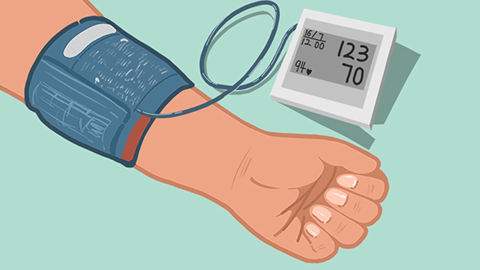
Normal adult blood pressure values are systolic 140–80 mmHg and diastolic 80–60 mmHg, which fall within the normal range. Blood pressure below 80/50 mmHg is considered hypotension, while blood pressure above 140/80 mmHg is considered hypertension. Blood pressure fluctuates throughout the day, so multiple measurements on the same day are required to accurately determine whether it is normal.
According to medical definition, blood pressure refers to the force exerted by circulating blood against the walls of blood vessels—this force is known as blood pressure. What then is the normal range for blood pressure?
What Is the Normal Range for Blood Pressure?
For adults, normal blood pressure is defined as systolic pressure between 90–140 mmHg and diastolic pressure between 60–80 mmHg. Blood pressure below 80/50 mmHg is considered low, while readings above 140/90 mmHg are classified as high blood pressure (hypertension). Blood pressure fluctuates throughout the day, so multiple measurements on the same day are necessary to accurately assess whether it is within the normal range. Blood pressure varies among individuals at different life stages, and many factors can influence it, including height, age, blood viscosity, and blood vessel health.

Excessive dietary salt can elevate blood pressure. Although taste preferences vary from person to person, few people prefer very bland food, and many have a preference for salty flavors. High salt intake increases vascular pressure, leading to higher blood pressure. Consuming high-fat foods also contributes to elevated blood pressure. Undigested lipids may deposit in blood vessels, increasing body weight and placing extra strain on the cardiovascular system. Additionally, excessive mental stress significantly impacts blood pressure. Employment pressure, work-related stress, and general life pressures impose heavy burdens on individuals and are important contributors to high blood pressure.
Although there is no universally agreed diagnostic criterion for low blood pressure, it is generally accepted that blood pressure below 90/60 mmHg can be diagnosed as hypotension. It is commonly seen in thin, physically inactive young women. We hope this information is helpful to you. Wishing you good health and a happy life!






