


Can cervical spondylosis cause scalp numbness?
Sep 13, 2022
Source: Cainiu Health

Dr. Lin Yunfei
Introduction
Cervical spondylosis can cause scalp numbness, which is commonly seen in vertebral artery type cervical spondylosis. When the vertebral artery is compressed by bone spurs, herniated intervertebral discs, or calcified ligaments, it leads to insufficient blood supply from the vertebrobasilar artery, resulting in ischemia of the posterior cerebral circulation. This often causes numbness in the scalp at the back of the head. Scalp numbness is associated with inadequate blood supply to the scalp area, leading to nerve spasms and subsequent numbness.
Cervical spondylosis can seriously impair human health, and sometimes it may also cause scalp numbness. Can cervical spondylosis lead to scalp numbness?
Can cervical spondylosis cause scalp numbness?
Cervical spondylosis can indeed cause scalp numbness, particularly in cases of vertebral artery-type cervical spondylosis. When the vertebral arteries are compressed by bone spurs, herniated intervertebral discs, or calcified ligaments, it results in insufficient blood supply from the vertebrobasilar artery system, leading to ischemia in the posterior cerebral circulation. This often causes numbness in the scalp at the back of the head. Scalp numbness is associated with inadequate blood supply to the scalp area, which triggers nerve spasms and leads to the sensation of numbness. Scalp numbness may also be related to other stimuli.

When scalp numbness occurs due to cervical spondylosis, patients should first improve cerebral blood flow. Vasodilating medications for cerebral vessels can help restore blood flow and alleviate symptoms of posterior circulation ischemia. Additionally, neurotrophic agents may be appropriately used to promote recovery from scalp numbness. In daily life and work, patients must pay attention to neck movements and avoid aggravating symptoms of vertebral artery-type cervical spondylosis, which could negatively impact their daily activities and work performance.
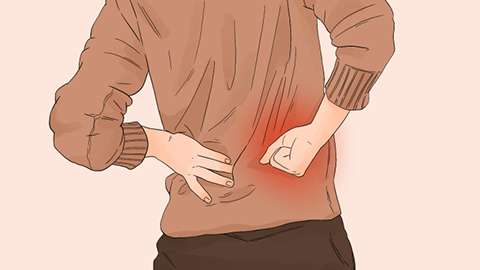
Cervical spondylosis may also present with lower back pain, numbness in hands and feet, among other symptoms. However, it's important to consider whether other systemic diseases might be involved. It is advisable to undergo medical examinations and receive treatment based on diagnostic results. Maintain a balanced diet, ensure adequate rest, and engage in appropriate physical exercise. We hope this article has been helpful to you. Wishing you a happy life and good health!







