What causes rheumatic fever?
Sep 13, 2022
Source: Cainiu Health

Dr. Liu Aihua
Introduction
Rheumatic fever is essentially a non-purulent disease. In the past, it primarily affected school-aged children and adolescents, and in severe cases, it could even involve the hearts of children and adolescents. The main incidence season is summer, and it is associated to some extent with seasonal and environmental factors, presenting certain clinical symptoms. This occurs because, following streptococcal infection, people promptly use antibiotics and other medications to eliminate the streptococcal infection.
We all have some understanding of rheumatic diseases. Once afflicted, rheumatic conditions often involve multiple systems and organs of the body, such as the heart, nervous system, digestive tract, and kidneys. Among these, rheumatic fever is one of the most common types. This disease primarily affects school-aged children and adolescents, and after onset, it can place a significant burden on their bodies. So, what exactly is rheumatic fever?
What Causes Rheumatic Fever?
Rheumatic fever is essentially a non-purulent inflammatory disease. In the past, it mainly affected school-aged children and adolescents, and in severe cases could even impact the hearts of children and teenagers. The primary season for outbreaks is summer, and its occurrence is related to seasonal and environmental factors, presenting with distinct clinical symptoms. Due to timely use of antibiotics and other medications to eliminate streptococcal infections, the incidence of rheumatic fever has declined significantly. Currently, most cases of rheumatic fever are mild or atypical, with patients possibly experiencing only transient arthritis or subclinical carditis.
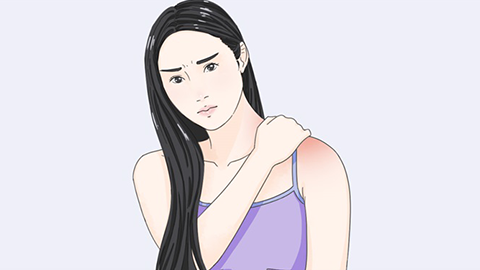
Rheumatic fever is an autoimmune disorder triggered by infection with Group A or Group B hemolytic streptococci. It commonly occurs during winter, spring, and rainy seasons. Cold and damp environments are important contributing factors, and the disease frequently appears under crowded living conditions, poor nutrition, and inadequate medical resources—conditions that favor the growth and spread of streptococci. In untreated areas during certain epidemic periods, the incidence rate is higher. In China, with improvements in diagnostic and treatment capabilities as well as living standards, the incidence of rheumatic fever has been steadily decreasing.
When rheumatic fever occurs, prompt treatment is essential to prevent complications. Patients suspected of having rheumatic fever should seek care at a hospital's rheumatology and immunology department. We hope this information is helpful to you. Wishing you good health and a happy life.