


Can cervical spondylosis cause tinnitus?
Sep 13, 2022
Source: Cainiu Health

Dr. Lin Yunfei
Introduction
Cervical spondylosis can cause tinnitus, known as cervicogenic tinnitus. This mainly occurs because cervical osteophyte formation compresses the vertebral-basilar artery, leading to insufficient blood supply from the vertebral-basilar artery. The vertebral-basilar artery branches into the posterior cerebral artery, which further gives off the internal auditory artery; ischemia along this vascular pathway can result in tinnitus. Comprehensive treatments such as cervical traction, acupuncture, and massage may help alleviate symptoms.
Most cases of cervical spondylosis are caused by cervical inflammation. Some patients may experience various symptoms, and some individuals with cervical spondylosis may simultaneously develop tinnitus, which they believe is caused by their cervical condition. So, can cervical spondylosis cause tinnitus?
Can cervical spondylosis cause tinnitus?
Cervical spondylosis can indeed cause tinnitus, known as cervicogenic tinnitus. This mainly occurs because cervical bone spurs compress the vertebral-basilar artery, leading to insufficient blood supply in this artery. The vertebral-basilar artery branches into the posterior cerebral artery, which further gives off the internal auditory artery. When a series of ischemic events occur due to reduced blood flow, tinnitus may result. Comprehensive treatments such as cervical traction, acupuncture, and massage can help improve symptoms. The development of cervical spondylosis is related not only to cold exposure but also to stimulation from dampness and other factors; therefore, prevention is essential. Correct poor postures, avoid damp and cold environments, actively strengthen physical exercise, and regularly move your neck.
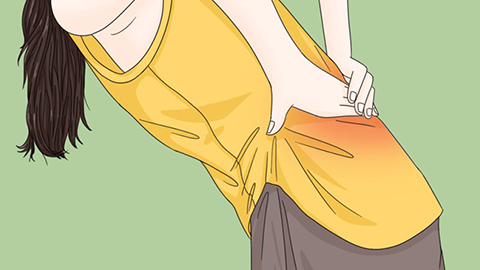
Based on preliminary analysis of the issue provided, the impact of cervical spondylosis can be quite serious. Abnormalities such as loss of the normal cervical curvature or reversal of the physiological curve may lead to insufficient vertebral artery blood supply and symptoms related to the sympathetic nervous system, causing neck muscles and ligaments to become lax and resulting in cervical instability. Cervical spondylosis may also cause herniation of cervical intervertebral discs into the posterior spinal canal, compressing cervical nerve roots and causing pain in the shoulder and back that radiates to the upper limbs, resulting in numbness and weakness in the arms.
Cervical spondylosis seriously affects people's health. Therefore, once such symptoms appear, prompt medical attention is necessary. We hope this response has been helpful to you. Wishing you good health and happiness!







