


Can mild pneumonia heal on its own?
Sep 13, 2022
Source: Cainiu Health

Dr. Guo Xiheng
Introduction
Whether mild pneumonia can resolve on its own depends on the pathogen causing the infection. If the pneumonia is caused by common viruses, Mycoplasma, or Chlamydia, and symptoms are relatively mild without complications, it may spontaneously resolve within two weeks without specific treatment. However, if mild pneumonia is caused by pathogens such as Staphylococcus aureus, Pseudomonas aeruginosa, or influenza virus,
There are many factors that can cause pneumonia, and the severity of the condition varies. Some people experience mild illness, which has relatively little impact on their health. However, others develop severe disease, causing significant disruption to daily life and work. Some individuals believe that mild pneumonia can resolve without treatment. So, can mild pneumonia heal on its own?
Can mild pneumonia heal on its own?
Whether mild pneumonia can resolve spontaneously depends on the pathogen causing the infection. If the pneumonia is caused by common viruses, mycoplasma, or chlamydia, and symptoms are relatively mild without complications, it may resolve within two weeks without specific treatment. However, if mild pneumonia is caused by pathogens such as Staphylococcus aureus, Pseudomonas aeruginosa, or influenza virus, it generally cannot heal on its own and requires timely, effective treatment; otherwise, the condition may worsen. Symptomatic management of mild pneumonia is also very important. For example, cough and sputum production should be treated with antitussive and expectorant medications. In cases of mild cough and phlegm, drinking plenty of water and gently patting the back may be sufficient.
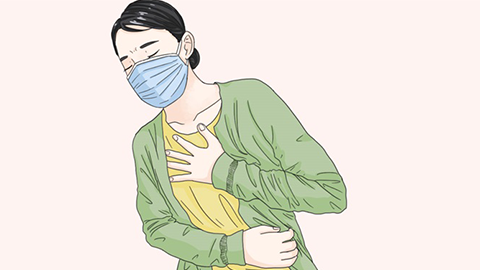
Mild pneumonia is typically caused by viruses, bacteria, fungi, and other microorganisms entering the lungs through the respiratory tract. In most cases, it is related to contact with infected individuals. For instance, exposure to someone with a latent or active infection via droplet transmission may lead to infection and subsequent pneumonia. Individuals with weakened immunity—such as the elderly, infants, and young children—are more susceptible. Certain environmental exposures may also contribute to infection; for example, damp environments may promote fungal growth and increase the risk of infection.

Patients are advised to seek a clear diagnosis and follow medical guidance for appropriate treatment. We hope this information is helpful. Wishing you good health and a happy life.




