


The pathogens causing pneumonia are mainly
Sep 13, 2022
Source: Cainiu Health

Dr. Guo Xiheng
Introduction
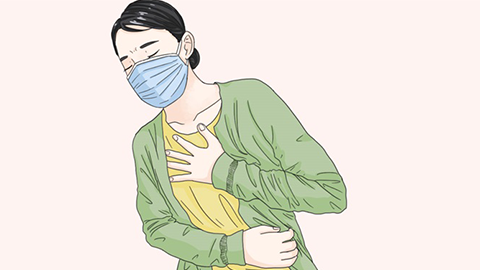
The pathogens causing pneumonia are primarily viral, mainly due to decreased immune function. Patients typically experience chest tightness and chest pain, accompanied by coughing and thick sputum, leading to difficulty in breathing. In severe cases, it may also result in coma. In the early stage, symptoms can be relieved through nebulization. Nebulization helps dilute secretions in the body and effectively facilitates sputum clearance during recovery.
Bronchitis and pneumonia are common and potentially serious conditions in children, which can lead to severe complications and significantly affect children's health. When the condition is not severe, prompt treatment should be initiated. So, what are the main pathogens that cause pneumonia?
Main Pathogens Causing Pneumonia
The primary pathogens responsible for pneumonia are viruses, mainly due to decreased immune function. Symptoms typically include chest tightness and chest pain, accompanied by coughing and thick sputum, leading to difficulty breathing. In severe cases, it may even result in coma. In the early stages, symptoms can be relieved through nebulization therapy. Nebulization helps dilute secretions in the respiratory tract and effectively promotes sputum clearance. During recovery, patients should also take oral antibiotics to control the disease progression.

Pneumonia may be caused by viral infections such as respiratory tract infections and bronchitis. Other contributing factors include malnutrition or congenital heart disease. Additionally, abnormal respiratory ciliary function can also be a trigger. Finally, certain foreign body factors may induce pneumonia. Foreign objects that enter deep into the bronchi—especially those without strong irritation—often do not cause acute fever or obvious symptoms initially. These objects may remain in the lungs for a long time, eventually leading to chronic lung infection.
Patients are advised to eat a light diet, enhance their nutrition, avoid colds and chilling, get plenty of rest, and drink plenty of water. We hope this information is helpful to you. Wishing you good health and happiness.








