Nursing interventions for hypostatic pneumonia
Sep 13, 2022
Source: Cainiu Health

Dr. Zhao Haiming
Introduction
The main nursing measures for patients with cumulative pneumonia include preventing airway obstruction due to sputum, pressure ulcers, and deep vein thrombosis in the lower limbs. Specific methods involve frequent turning, regular back tapping to help clear sputum, emphasizing a high-protein and vitamin-rich diet to improve nutrition and enhance immunity. Attention should also be given to massaging the iliac bones or sacrum on both sides to prevent hard-to-heal pressure ulcers and skin tissue infections.
With the accelerating pace of modern life, many office workers stay up late and work overtime to better secure their positions in the workplace. Once physical resistance and immunity decline, they become vulnerable to bacterial and viral infections, potentially leading to hypostatic pneumonia. So, what are the nursing measures for hypostatic pneumonia?
Nursing Measures for Hypostatic Pneumonia
The main nursing goals for patients with hypostatic pneumonia include preventing airway obstruction due to sputum accumulation, pressure ulcers, and deep vein thrombosis in the lower limbs. Specific measures include frequent turning and back tapping to assist in expectoration, emphasizing a diet rich in high-quality protein and vitamins to enhance nutrition and boost immunity. It is also important to massage the iliac or sacral regions regularly to prevent hard-to-heal pressure sores and skin tissue infections. Most patients with hypostatic pneumonia remain bedridden for long periods and have limited mobility, making them prone to developing lower limb venous thrombosis. To prevent pulmonary embolism caused by venous thrombosis or myocardial infarction, regular massage of both lower limbs is recommended to promote blood circulation and reduce the risk of clot formation.
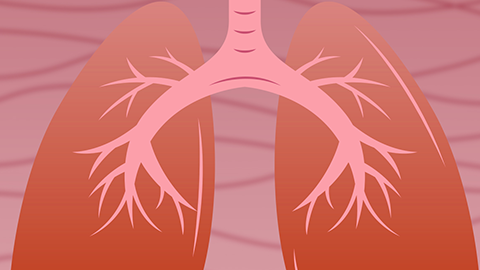
Symptoms of hypostatic pneumonia include fever, chills, cough, sputum production, and severe breathing difficulties. In elderly patients, clinical manifestations are often atypical and may present as loss of appetite, nausea, vomiting, lethargy, and altered consciousness. Many seek medical care only when their pre-existing conditions worsen. As a result, hypostatic pneumonia in the elderly is often difficult to detect early and is prone to misdiagnosis or missed diagnosis. By the time patients seek treatment, their condition is frequently quite severe.
In daily life, it's important to cultivate healthy living and eating habits. We hope this information is helpful to you. Wishing you good health and happiness.