


The difference between apical periodontitis and pulpitis
Sep 13, 2022
Source: Cainiu Health

Dr. Zhang Liwen
Introduction
Apical periodontitis and pulpitis mainly differ in four aspects. Pulpitis is primarily caused by deep caries or hidden cracks, with obvious defects and fissures visible on the tooth surface. Apical periodontitis develops from advanced pulpitis or pulp necrosis and is often accompanied by apical resorption. During acute episodes of pulpitis, patients may experience general headaches with persistent pain that cannot be relieved and sometimes worsens at night.
Pulpitis is mainly caused by dental caries. If left untreated, it can progress to apical periodontitis. Generally, pulpitis pain occurs spontaneously and paroxysmally, often radiating to the head and temples. Patients usually cannot pinpoint which tooth is causing the pain. So, what are the differences between apical periodontitis and pulpitis?
Differences Between Apical Periodontitis and Pulpitis
There are four main differences between apical periodontitis and pulpitis. Pulpitis is primarily caused by deep caries or hidden tooth fractures, with visible defects or cracks on the tooth surface. Apical periodontitis develops from advanced pulpitis or pulp necrosis and is often accompanied by apical resorption. During acute pulpitis, patients typically experience general headaches with persistent, unrelenting pain that may worsen at night. In contrast, apical periodontitis presents with tenderness at the root apex, a distinct floating sensation in the tooth, and sometimes occlusal discomfort affecting chewing and eating. Discharge through the gums may lead to gingival swelling and fistula formation. X-rays of teeth affected by pulpitis show no destruction of surrounding bone, whereas apical periodontitis appears on X-rays as a low-density radiolucent area, indicating ongoing damage to the alveolar bone.
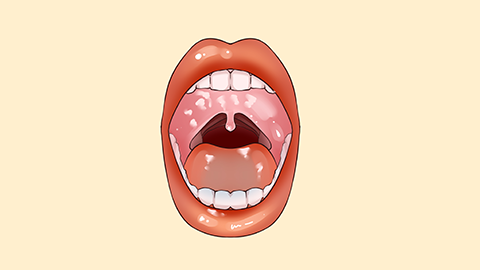
Apical periodontitis and pulpitis are two distinct diseases, differing in both the affected regions and tissues. Apical periodontitis refers to inflammation of the tissues surrounding the tooth root apex, while pulpitis involves inflammation of the dental pulp within the crown or root of the tooth.
Patients are advised to maintain a light diet, drink plenty of water, and adopt healthy lifestyle habits. In cases of severe inflammation, prompt medical attention is recommended for proper diagnosis and medication under a doctor's guidance. We hope this information is helpful. Wishing you good health and a happy life.



