


The difference between gingivitis and pulpitis
Sep 13, 2022
Source: Cainiu Health

Dr. Zhang Liwen
Introduction
The main differences between gingivitis and pulpitis lie in their causes, symptoms, and treatments. In terms of causes, both conditions are related to oral health, with gingivitis particularly associated with oral hygiene and tooth brushing habits. Pulpitis is primarily caused by dental caries and tooth decay, which lead to further development and inflammation of the dental pulp. The main symptom of gingivitis is bleeding, especially during tooth brushing.
Pulpitis can occur in people of all age groups; this condition is actually an inflammatory lesion of the dental pulp tissue. After the disease develops, the patient's daily food intake will be significantly affected, as many patients experience tooth pain. Some elderly patients may even develop angina due to this inflammation. So, what is the difference between gingivitis and pulpitis?
Differences Between Gingivitis and Pulpitis
The main differences between gingivitis and pulpitis lie in their causes, symptoms, and treatments. In terms of causes, both conditions are related to oral health. Gingivitis is primarily associated with oral hygiene and brushing habits, while pulpitis is mainly caused by tooth decay and cavities that lead to further inflammation of the dental pulp. The primary symptom of gingivitis is bleeding, especially during brushing. In severe cases, spontaneous bleeding may occur, and if left untreated, it can progress to periodontal inflammation. On the other hand, the main symptoms of pulpitis include pain and sensitivity to hot or cold stimuli. The pain associated with acute pulpitis may manifest as nighttime pain, spontaneous pain, or radiating pain.
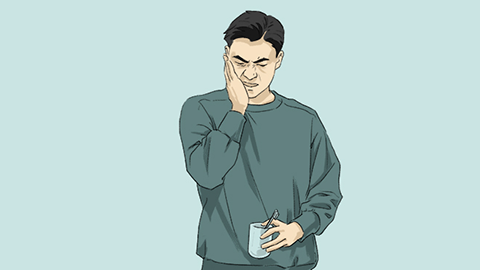
Pulpitis is a serious condition, and everyone should pay attention to oral hygiene. After eating anything, it's important to rinse your mouth promptly to remove food debris and bacteria from the oral cavity, thereby reducing irritation and lowering the risk of related diseases. During rinsing and brushing, special attention should be paid to the areas between teeth, where plaque and food particles tend to accumulate. Dental floss can be used appropriately to clean these spaces, and using an antibacterial mouthwash is recommended for its anti-inflammatory effects. Of course, proper use of various oral cleaning tools is also beneficial.

Patients are advised to brush their teeth regularly and rinse with mouthwash after meals. We hope this information is helpful to you. Wishing you good health and happiness!



