


How to treat bronchiectasis with concurrent infection
Sep 13, 2022
Source: Cainiu Health

Dr. Guo Xiheng
Introduction
When bronchiectasis is complicated by infection, the following treatments may be required: 1. Aggressive anti-infective therapy may be necessary. Bronchiectasis with infection is prone to Pseudomonas aeruginosa infection, especially in cases of severe bronchiectasis or frequent exacerbations. Pseudomonas aeruginosa should therefore be considered in these situations.
With the improvement of modern life, people are experiencing increased stress in daily life. Smoking and drinking can also contribute to bronchial diseases. So how is bronchiectasis with infection treated?
How is bronchiectasis with infection treated?
When bronchiectasis is complicated by infection, the following treatments may be required: 1. Active anti-infective therapy may be necessary. Bronchiectasis with infection is prone to Pseudomonas aeruginosa infection, especially in cases of severe or frequently recurring bronchiectasis. In these situations, Pseudomonas aeruginosa should be considered. 2. Sputum clearance treatment is also needed, along with measures such as postural drainage and chest percussion to help patients expel phlegm. Even in bronchiectasis patients with poor sputum expectoration ability, bronchoscopy may be required to clear airway secretions. 4. Other interventions. For example, bronchiectasis with infection may lead to hypoxia, and in some cases, endotracheal intubation and mechanical ventilation may be necessary.

The key to preventing bronchiectasis lies in preventing respiratory tract infections. Infection—especially pneumonia—is the main cause of bronchiectasis, as this type of respiratory infection can lead to bronchial damage. Children have underdeveloped respiratory systems and are more likely than adults to develop bronchiectasis after pneumonia. Therefore, it's important to stay warm and avoid cold exposure to prevent respiratory infections and reduce the incidence of bronchiectasis.
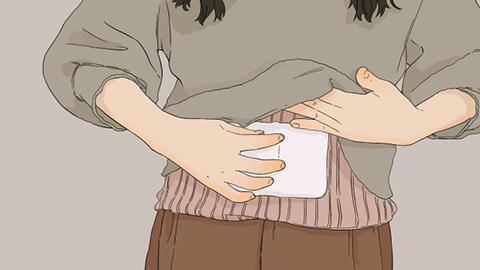
In daily life, maintaining balanced nutrition, engaging in appropriate exercise, and keeping a regular sleep schedule can also help improve immune function. We hope this information is helpful to you. Wishing you good health and happiness!



