


How can cervical spondylosis be cured?
Sep 13, 2022
Source: Cainiu Health

Dr. Lin Yunfei
Introduction
Cervical spondylosis can be treated and cured through medication, traction therapy, etc. The main symptoms of cervical spondylosis are neck and shoulder pain. The pain may also radiate to the back and even the lower back. When the pain is severe, it can significantly affect normal activities. In such cases, some painkillers such as ibuprofen (Fenbid) can be used for treatment, or sedatives may be chosen to relieve physical discomfort.
Cervical spondylosis can occur in middle-aged and elderly people. In fact, an increasing number of young people are developing cervical spondylosis due to unhealthy lifestyle habits and improper sitting postures, leading to severe neck and shoulder pain, and even symptoms such as numbness in the fingers, headaches, and dizziness. Timely treatment of cervical spondylosis can help prevent the development of more serious conditions. So, how can cervical spondylosis be effectively treated?
How Can Cervical Spondylosis Be Treated?
Cervical spondylosis can be treated through medication, traction therapy, and other methods. The main symptom of cervical spondylosis is pain in the neck and shoulders. This pain may also radiate to the back and even lower back. When the pain becomes severe, it can significantly affect normal daily activities. In such cases, certain pain relievers—such as Fenbid—can be used. Sedatives may also be chosen to alleviate physical discomfort. Additionally, neurotrophic medications like vitamin B1 and B12 can be very helpful in improving symptoms.
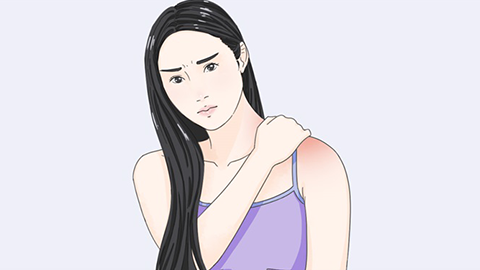
For patients with mild cervical spondylosis, early traction therapy can yield good results. Traction helps restore the physiological curvature of the cervical spine, thereby achieving therapeutic effects. However, traction should be performed by a qualified traditional Chinese medicine practitioner; otherwise, it may lead to adverse consequences.

When suffering from cervical spondylosis, blood circulation in the neck and shoulders is greatly affected, and the body's metabolism is significantly reduced. Appropriate massage can help promote blood circulation, improve muscle tension in the neck, shoulders, and other areas, and relax local muscles. Massage can also relieve discomfort caused by adhesions in soft tissues, but care must be taken to apply appropriate pressure during the massage.







