


How to manage premature beats and arrhythmia
Sep 13, 2022
Source: Cainiu Health

Dr. Li Man
Introduction
Occasional premature beats and arrhythmias can be managed with appropriate exercise. Arrhythmias sometimes occur as a normal phenomenon, especially during intense physical activity or emotional excitement, which may cause significant changes in heart rate. These irregularities usually resolve quickly afterward. However, for such individuals, proper physical activity—particularly regular aerobic exercise—can help control arrhythmias.
Many people experience premature beats and irregular heartbeats in daily life. So how can premature beats and arrhythmia be managed?
How to Manage Premature Beats and Irregular Heartbeat
Appropriate physical exercise can help manage premature beats and arrhythmia. Arrhythmia can sometimes be a normal phenomenon, especially after intense physical activity or emotional excitement, which may cause significant changes in heart rate. These abnormalities usually resolve quickly on their own. However, for such individuals, regular exercise—particularly consistent aerobic activity—can help control arrhythmias. Arrhythmia often manifests as irregular breathing; therefore, it's important in daily life to stay calm and avoid emotional fluctuations, such as frequent anger or mood swings. Maintaining a positive and peaceful mindset helps reduce the occurrence of arrhythmias and prevents respiratory disturbances caused by emotional instability.

Early and proactive treatment of heart disease is essential. Many cases of arrhythmia are caused by underlying cardiac conditions, particularly hypertension, cardiomyopathy, coronary artery disease, and other cardiovascular disorders. These foundational diseases should be treated early with proper and standardized approaches, without neglecting changes in the condition.
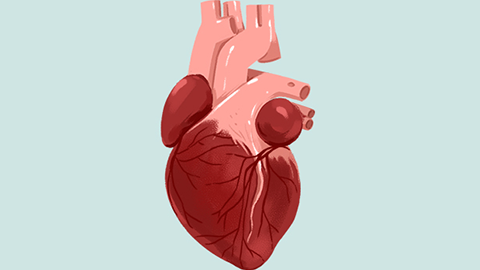
Once arrhythmia is detected, individuals should not become overly anxious or stressed. Instead, they should engage in appropriate physical activity according to their personal health status, maintain emotional stability, and actively treat any type of heart disease. If medication is required, it should not be taken haphazardly; rather, patients must follow medical advice and adopt scientific, rational treatment methods. We hope this article has been helpful to you. Wishing you a happy life and good health!







