What tests do women need for endocrine examination?
Oct 11, 2022
Source: Cainiu Health

Dr. Pan Yongyuan
Introduction
Women undergoing endocrine evaluation typically require tests including thyroid function, six-panel sex hormone testing, blood glucose and insulin measurement, adrenal cortical hormone testing, and gynecological ultrasound. Thyroid function tests primarily measure indicators such as thyroid-stimulating hormone (TSH), total thyroxine (TT4), total triiodothyronine (TT3), free thyroxine (FT4), and free triiodothyronine (FT3).
Women undergoing endocrine evaluation typically require the following tests: thyroid function tests, sex hormone panel (six-item test), blood glucose and insulin assays, adrenal cortical hormone tests, and gynecological ultrasound examinations.
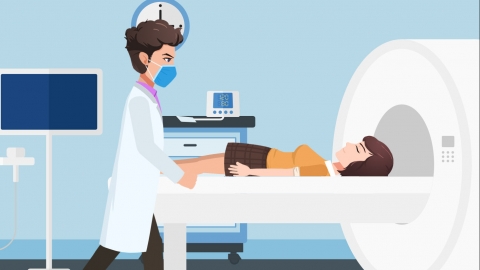
1. Thyroid Function Tests
The main testing indicators include thyroid-stimulating hormone (TSH), total thyroxine (TT4), total triiodothyronine (TT3), free thyroxine (FT4), and free triiodothyronine (FT3). These tests assess whether thyroid function is normal and help screen for conditions such as hyperthyroidism or hypothyroidism. Fasting is generally not required for blood sampling.
2. Sex Hormone Panel (Six Items)
This includes follicle-stimulating hormone (FSH), luteinizing hormone (LH), estradiol, progesterone, testosterone, and prolactin. These hormones reflect ovarian function and overall endocrine status in women, aiding in the diagnosis of various gynecological endocrine disorders such as menstrual irregularities, amenorrhea, infertility, and more.
3. Blood Glucose and Insulin Assays
Tests include fasting blood glucose, 2-hour postprandial blood glucose, glycated hemoglobin (HbA1c), as well as insulin release test or C-peptide release test. These assessments help evaluate glucose metabolism and determine whether insulin resistance or diabetes is present.
4. Adrenal Cortical Hormone Tests
Main testing items include cortisol, aldosterone, and adrenocorticotropic hormone (ACTH). These tests measure adrenal cortical hormone levels and assist in diagnosing conditions such as adrenal cortical hyperfunction or insufficiency, Cushing's syndrome, and primary hyperaldosteronism.
5. Gynecological Ultrasound Examination
Using two-dimensional ultrasound, this examination evaluates the morphology, size, structure of the uterus and bilateral ovaries, as well as follicular development. It helps identify any organic abnormalities in female reproductive organs. Patients are usually required to have a full bladder before the exam to improve visualization of pelvic structures.
Prior to testing, it is generally recommended to maintain a light diet, and some tests may require fasting. In daily life, developing healthy habits—such as ensuring adequate sleep, avoiding late nights, and maintaining a positive mood while minimizing anxiety and irritability—is beneficial for overall health.