


Can autonomic nervous dysfunction cause headaches?
Oct 17, 2022
Source: Cainiu Health

Dr. Lv Zhiqin
Introduction
The autonomic nervous system includes the sympathetic and parasympathetic nerves. When sympathetic excitation predominates, it causes vasoconstriction. If blood vessels in the head remain constricted for a prolonged period, it may lead to headaches. In the early stages of autonomic dysfunction, when symptoms are mild, the autonomic nervous system may compensate to some extent, and headache symptoms might not occur.
In general, autonomic nervous system dysfunction may cause headaches; however, when symptoms are mild and autonomic function compensation is adequate, headache symptoms might not be obvious. Specific manifestations vary from person to person. If discomfort occurs, timely medical consultation is recommended. The analysis is as follows:
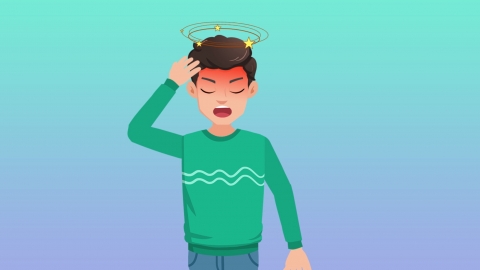
The autonomic nervous system includes the sympathetic and parasympathetic nerves. When sympathetic nerve activity predominates, it can cause blood vessel constriction. If cerebral blood vessels remain constricted for prolonged periods, headaches may result. Under conditions of emotional tension, anxiety, or excessive stress, the sympathetic nervous system becomes activated. At this time, the body is in a state of stress, and vasoconstriction alters cerebral circulation, leading to headaches. These headaches often present as bilateral, tight, band-like pain and may be accompanied by symptoms such as palpitations and sweating.
If autonomic dysfunction is in its early stages and symptoms are relatively mild, the autonomic nervous system may compensate effectively through self-regulation, potentially preventing the onset of headaches. Additionally, some patients may successfully alleviate symptoms of autonomic dysfunction through self-regulation, medication, or psychotherapy, thereby avoiding headaches altogether.
Patients should pay attention to adjusting their daily routines, balancing work and rest, and avoiding excessive fatigue that could trigger illness. It's advisable to quit smoking and alcohol consumption, avoid foods containing caffeine or alcohol, and reduce stimulation to neural functions. If necessary, neurotrophic medications such as mecobalamin tablets, vitamin B1 tablets, or oryzanol tablets may be used under medical guidance.





