Can dysfunction of the autonomic nervous system affect the intestines?
Mar 13, 2025
Source: Cainiu Health

Dr. Lv Zhiqin
Introduction
In general, dysfunction of the autonomic nervous system may affect the intestines; consultation with a physician is recommended if necessary. The autonomic nervous system plays an important role in regulating the body's involuntary functions, including the functioning of the digestive system, such as the intestines. When the autonomic nervous system becomes dysfunctional, it can directly impact the normal functioning of the gastrointestinal tract.
Generally, dysfunction of the autonomic nervous system may affect the intestines; if necessary, it is recommended to consult a doctor for advice. Detailed analysis is as follows:
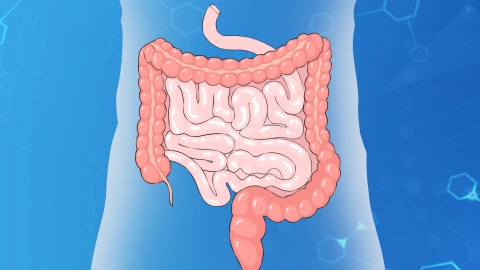
The autonomic nervous system plays a crucial role in regulating the body's autonomous functions, including the regulation of the digestive system, such as the intestines. When the autonomic nervous system becomes dysfunctional, it can directly impact the normal functioning of the gastrointestinal tract. The parasympathetic nervous system primarily promotes gastrointestinal motility and secretion of digestive fluids, while activation of the sympathetic nervous system may inhibit gastrointestinal activity. Autonomic dysfunction can lead to an imbalance in this regulation, thereby causing issues such as indigestion.
In addition, autonomic nervous system disorders are usually closely related to emotional factors such as stress, anxiety, and depression. These emotional changes can affect intestinal function through neural conduction pathways, potentially causing abnormal intestinal motility and resulting in problems like diarrhea or constipation. Meanwhile, these emotional factors may also suppress the secretion of digestive fluids and slow intestinal motility, further affecting food digestion and absorption.
In daily life, it is important to regulate emotions and avoid negative emotional states such as excessive tension, anxiety, and stress.