


What does it mean when a scraped knee wound turns white, and what should be done?
Oct 27, 2022
Source: Cainiu Health

Dr. Wang Lei
Introduction
If a leg wound is not properly cleaned after a fall, secondary bacterial infection may occur, leading to pus formation. Pus can seep from the wound, causing a white discharge, and patients may notice white material at the injury site. This can be managed by cleaning the wound with saline solution or using anti-inflammatory medications as directed by a doctor. For a scraped knee wound with white discharge, it's important to maintain a healthy lifestyle and avoid staying up late.
White discoloration in a scraped knee wound may be caused by various factors such as dead tissue, pus discharge, exposed bone, bacterial infection, or fungal infection. Appropriate measures should be taken based on the specific cause. It is recommended to seek timely medical attention and receive treatment under a doctor's guidance.
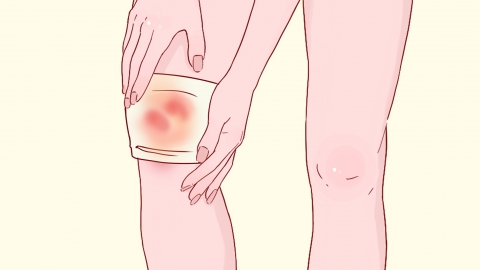
1. Wound Necrotic Tissue
If leg trauma results in tissue death due to disrupted blood supply and ischemia, white material may appear at the wound site. Immediately after scraping the knee, clean the wound thoroughly and disinfect it with iodophor. After disinfection, cover the wound with sterile gauze.
2. Pus Discharge
If the wound is not properly cleaned after injury, secondary bacterial infection may lead to abscess formation, causing pus to exude from the wound, resulting in white fluid leakage. Patients may notice white substances around the wound. This can be managed by cleaning with normal saline or using anti-inflammatory medications as directed by a physician.
3. Exposed Bone
The presence of white material on a scraped wound may also indicate deep tissue damage with bone exposure. If the wound is small and superficial, regular disinfection is usually sufficient. However, if the wound is large or deep, surgical suturing and dressing may be required to promote healing.
4. Bacterial Infection
If a wound is not promptly or properly treated, bacteria may invade and cause infection. The white appearance may represent purulent secretions containing dead white blood cells, bacteria, and their metabolic byproducts. Infected wounds may also present with redness, swelling, increased pain, and fever. Initial management includes wound cleansing. Under medical supervision, patients may use medications such as mupirocin ointment, amoxicillin capsules, or azithromycin tablets to control the infection.
5. Fungal Infection
In moist environments, wounds are susceptible to fungal invasion. Fungi can grow and multiply on the wound surface, forming white plaques or hyphae. The wound may become itchy, and surrounding skin may show flaking or scaling. Under a doctor’s guidance, antifungal treatments such as ketoconazole cream, terbinafine cream, or itraconazole capsules may be used.
After injury, maintain a healthy lifestyle—avoid staying up late and refrain from consuming irritating foods. Avoid strenuous exercise and keep the wound dry (do not expose to water) to prevent infection. Regular disinfection with iodophor can help keep the skin dry and promote faster healing.







