


What are the classifications of aphthous ulcers?
Nov 01, 2022
Source: Cainiu Health

Dr. Liu Chao
Introduction
In general, aphthous ulcers can be classified into minor aphthous ulcers, major aphthous ulcers, and herpetiform aphthous ulcers. It is recommended to seek medical attention promptly and receive treatment under the guidance of a physician. Patients with aphthous ulcers may use medications such as compound chlorhexidine mouthwash, kangfuxin solution, and oral ulcer powder according to medical advice. In daily life, they should develop healthy habits and ensure adequate rest.
Generally, aphthous ulcers are classified into minor aphthous ulcers, major aphthous ulcers, and herpetiform aphthous ulcers. It is recommended to seek medical attention promptly and receive treatment under the guidance of a doctor. Specific analyses are as follows:
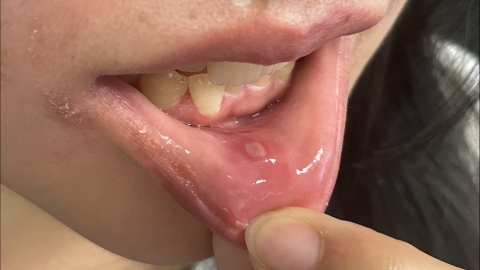
Minor aphthous ulcers are clinically characterized by local mucosal congestion and edema, presenting as millet-sized red spots accompanied by a distinct burning pain. This is followed by the development of round or oval ulcers, typically 1–5 mm in diameter. Around five days later, the ulcers gradually begin to heal. During this period, no granulation tissue forms; the wound area shrinks, redness and swelling subside, and pain decreases. The ulcers usually resolve completely within 10–14 days.
Major aphthous ulcers are clinically characterized by large, deep ulcers resembling bullet wounds, which may extend into submucosal glands and periglandular tissues, exceeding 1 cm in size. The surrounding tissue is swollen and slightly elevated, with a slightly hardened base covered by a gray-yellow pseudomembrane or grayish-white necrotic tissue. These ulcers can persist for over a month and may be accompanied by systemic symptoms such as low-grade fever, fatigue, and localized lymphadenopathy with tenderness.
Herpetiform aphthous ulcers are clinically characterized by numerous small, scattered ulcers distributed like stars in the sky. Adjacent ulcers may coalesce into larger lesions. The mucosa appears congested and red, with significant pain and increased salivary secretion. Patients may also experience headaches, low-grade fever, general malaise, and lymphadenopathy.
Patients with aphthous ulcers can follow medical advice to use medications such as compound chlorhexidine mouthwash, Kangfuxin solution, and oral ulcer powder. In daily life, it is important to maintain healthy habits, ensure adequate rest, avoid excessive stress and fatigue, eat a light diet, and refrain from consuming spicy or irritating foods, all of which help manage and prevent oral ulcers.










