


Precautions for 7 Months of Pregnancy
Dec 29, 2022
Source: Cainiu Health

Dr. Lv Aiming
Introduction
At seven months pregnant, the expectant mother should maintain a balanced diet and obtain comprehensive nutrition. Regular prenatal checkups are required, with obstetric examinations every two weeks. Sexual intercourse and vigorous physical activities are prohibited; instead, choose suitable forms of exercise. Pregnant women should count fetal movements daily. If fetal movements become excessively frequent or suddenly decrease, immediate evaluation at an obstetrics and gynecology clinic is necessary.
After becoming pregnant, women pay special attention to their posture and daily activities, especially as the pregnancy progresses. What should be kept in mind during the seventh month of pregnancy?
Things to Keep in Mind During the Seventh Month of Pregnancy
During the seventh month of pregnancy, expectant mothers should maintain a balanced diet and ensure adequate intake of various nutrients. Regular prenatal checkups are essential—obstetric examinations should be conducted every two weeks. Sexual intercourse and strenuous physical activity should be avoided, and pregnant women should choose suitable forms of exercise. Pregnant women should monitor fetal movements daily. If fetal movements become unusually frequent or suddenly decrease, they should immediately visit an obstetrics department for evaluation. Close observation is necessary, and any abnormal symptoms such as vaginal bleeding, abdominal pain, or unusual discharge should prompt immediate medical attention.
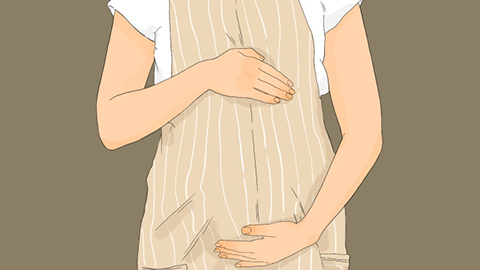
Menstruating women of childbearing age who have had sexual intercourse and whose periods are delayed by more than 10 days should consider the possibility of pregnancy. Amenorrhea (missed period) may be the earliest and most important sign of pregnancy. However, it's important to note that amenorrhea does not necessarily confirm pregnancy. About half of pregnant women experience early pregnancy symptoms around six weeks after missing their period, including chills, dizziness, fatigue, excessive sleepiness, increased salivation, loss of appetite, cravings for sour foods or aversion to greasy foods, nausea, and morning vomiting—collectively known as early pregnancy reactions. These symptoms typically resolve spontaneously by around week 12 of pregnancy.

Frequent urination often occurs in early pregnancy due to the enlarged uterus pressing forward on the bladder within the pelvic cavity. Around week 12 of pregnancy, as the uterus rises into the abdominal cavity and no longer compresses the bladder, the symptom of frequent urination usually resolves naturally. We hope this information is helpful to you. Wishing you good health and happiness.








