


Does Sha Tang Ju (a type of mandarin orange) cause internal heat?
Dec 29, 2022
Source: Cainiu Health

Dr. Zhou Chao
Introduction
Eating too many Shatang tangerines can also cause "heatiness." Shatang tangerines belong to the mandarin orange family. Consuming excessive amounts may lead to symptoms such as dry mouth, sore throat, constipation, and swollen gums. Therefore, they should be eaten in moderation. Like common citrus fruits, Shatang tangerines are rich in vitamin C in their flesh, which has strong antioxidant properties.
Satsuma mandarins are delicious fruits enjoyed by both children and adults. They contain relatively high sugar content and have a sweet taste. Can eating Satsuma mandarins cause "heatiness"?
Can Satsuma Mandarins Cause Heatiness?
Eating too many Satsuma mandarins can indeed lead to "heatiness." As a type of citrus fruit, excessive consumption of Satsuma mandarins may cause symptoms such as dry mouth, sore throat, constipation, and swollen gums. Therefore, they should be consumed in moderation.
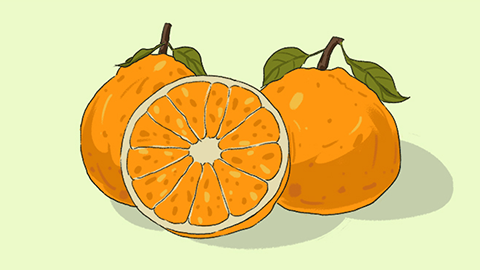
Like common citrus fruits, Satsuma mandarins are rich in vitamin C in their flesh. This vitamin has strong antioxidant properties. After consumption, it helps eliminate free radicals in the body, reducing damage to cells and slowing down skin aging. It also inhibits melanin formation, preventing skin darkening and the appearance of spots. Additionally, vitamin C promotes collagen synthesis in the skin, helping maintain smooth and delicate skin. Thus, eating Satsuma mandarins offers significant beauty and skincare benefits.

Satsuma mandarins also contain large amounts of carotene. If too much carotene is consumed, and the body cannot metabolize it quickly enough, excess carotene may deposit in the mucous membranes and outer layer of the skin, leading to a condition known as "carotenemia," which causes yellowing of the skin. Individuals experiencing carotenemia should stop consuming Satsuma mandarins and other carotene-rich foods to prevent worsening of the condition and adverse health effects. Due to their high sugar content, Satsuma mandarins are named for their sweetness. People with diabetes already have high blood glucose levels and need to limit their intake of high-sugar foods. Eating Satsuma mandarins may raise blood sugar levels, posing health risks. We hope this information is helpful. Wishing you good health and happiness.




