


What are the reasons why a two-and-a-half-year-old child cannot speak?
Dec 29, 2022
Source: Cainiu Health

Dr. Li Yanmei
Introduction
In the early stages of a baby's speech development, they learn to speak by imitating adult language. If the home environment lacks rich linguistic stimulation, the baby may not hear spoken language frequently, which could lead to delayed speech. However, this does not affect the baby's intellectual development or healthy growth. Therefore, regularly talking with the baby can help promote their pronunciation and language skills.
Many parents become extremely anxious when their two-year-old child hasn't started speaking yet. In most cases, the reason a two-year-old isn't talking is due to a lack of a good language environment. If there are few people around the child who speak during their development, and if the mother remains silent while caring for the baby, this can negatively affect the child's language development. There are many reasons why a child might not be speaking by age two and a half—so what exactly causes delayed speech at this age?
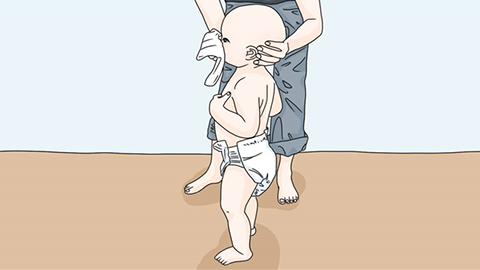
What Causes a Two-and-a-Half-Year-Old Child Not to Speak?
First, language environment: During the early stages of speech development, children learn by imitating adult speech. If the family lacks a rich language environment, the child may rarely hear others speak. This situation can lead to delayed speech, although it typically does not affect the child’s intellectual development or overall health. Regularly talking to your child can significantly promote proper pronunciation and language acquisition.
Second, congenital hearing loss: A two-year-old who cannot speak may suffer from congenital deafness, meaning they cannot hear external sounds. Without the ability to hear, the child cannot normally speak or imitate others’ voices. Therefore, early diagnosis and treatment at a hospital are essential.
Third, speech-related disorders: Conditions such as autism or an abnormally short lingual frenulum (tongue-tie) can cause delayed or impaired speech. With timely and appropriate evaluation, increased verbal interaction in daily life, and proper interventions such as speech therapy or surgical correction, these conditions can often be improved.
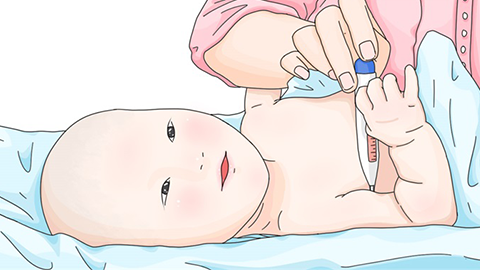
A two-year-old child who still cannot speak has a serious developmental concern that requires prompt medical evaluation and treatment. Based on the underlying cause, targeted interventions should be implemented to help the child regain healthy development.






