How to treat synovial sarcoma
Dec 29, 2022
Source: Cainiu Health
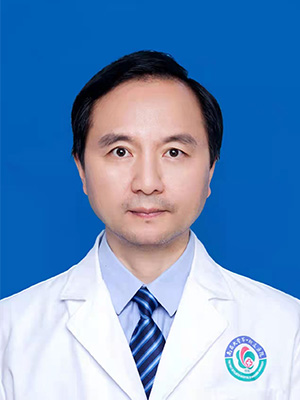
Dr. Peng Xiaodong
Introduction
The latest treatment for synovial sarcoma primarily depends on whether there are corresponding genetic mutations present. If specific genetic mutations are identified, targeted therapies directed at these mutations can be used. In cases where no clear genetic mutations are found, the main treatment approaches include anti-angiogenic therapy, such as anlotinib, or recombinant human endostatin, such as endostar.
Synovial sarcoma is a rare disease, so patients diagnosed with it often feel fearful in today's society. How is synovial sarcoma treated?
How Is Synovial Sarcoma Treated?
The latest treatments for synovial sarcoma primarily depend on whether there are specific genetic mutations present. If genetic mutations are identified, targeted therapies directed at these mutations can be used. In cases where no clear genetic mutations are found, the main approach involves anti-angiogenic therapy—such as anlotinib—or recombinant human endostatin (e.g., Endostar), which are collectively referred to as anti-tumor angiogenesis therapies.

Of course, the first step in treating synovial sarcoma is radical surgical resection. For patients to achieve a cure or long-term survival, radical surgery must be performed initially. After surgery, regular follow-up visits are essential to monitor for distant metastases, such as lung, liver, or bone metastasis. Long-term survival is only possible when the tumor has been completely removed by radical surgery and no distant metastases are present.

In daily life, patients should ensure adequate rest, maintain a balance between work and relaxation, avoid overexertion, and refrain from staying up late. Sufficient sleep is crucial to boost the body's immune system. Nutritionally rich foods should be included in the diet, and regular hospital check-ups are necessary to monitor recovery progress. We hope this information helps you. Wishing you good health and happiness.