Can uterine fibroids undergo malignant transformation?
Jul 03, 2025
Source: Cainiu Health

Dr. Zhang Lu
Introduction
If uterine fibroids rapidly increase in size within a short period, or enlarge instead of shrinking after menopause, accompanied by symptoms such as abdominal pain and irregular vaginal bleeding, malignant transformation may have occurred. These fibroids might undergo sarcomatous change. Although the risk of malignancy is low, the potential harm is significant. Prompt surgical removal and pathological examination are required to determine the nature of the lesion and guide subsequent treatment decisions.
Generally speaking, whether uterine fibroids undergo malignant transformation depends on factors such as the growth rate of the fibroid, symptoms, and individual patient circumstances. Fibroids that grow rapidly or present abnormal symptoms may undergo malignant changes, while those that grow slowly and do not cause unusual symptoms are less likely to become cancerous. If you have concerns, it is recommended to seek medical advice promptly. Detailed analysis is as follows:
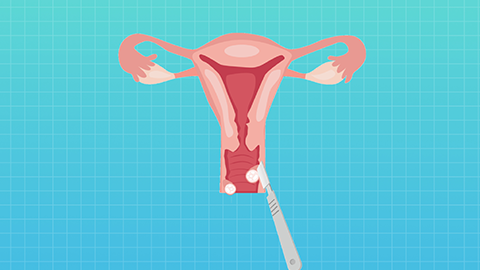
If uterine fibroids increase significantly in size within a short time or continue to grow instead of shrinking after menopause, and are accompanied by symptoms such as abdominal pain and irregular vaginal bleeding, malignant transformation may have occurred. These fibroids might undergo sarcomatous changes; although the chance of malignancy is low, the risks are significant. Prompt surgical removal and pathological examination are required to determine the nature of the fibroid and guide further treatment decisions.
When uterine fibroids grow slowly and show no significant size change over several years, and are not associated with symptoms such as increased menstrual bleeding, abdominal pain, or pressure, malignant transformation is unlikely. Particularly for women approaching menopause, due to declining hormone levels, fibroids may gradually shrink. These fibroids only require regular ultrasound follow-ups to monitor changes in size and morphology.
After being diagnosed with uterine fibroids, regular medical check-ups are necessary to monitor fibroid growth. Immediate medical attention is needed if abnormal symptoms occur or significant changes in the fibroid are observed. Maintaining a healthy lifestyle and avoiding foods containing estrogen can help reduce the risk of fibroid malignancy.