


How to undergo pre-pregnancy checkups
Dec 29, 2022
Source: Cainiu Health

Dr. Mei Quan
Introduction
In early pregnancy, common methods used to confirm pregnancy or assess fetal development include measuring HCG levels in the blood to determine whether a woman is pregnant. Pregnancy can also be confirmed through urine tests or ultrasound examinations. To confirm pregnancy, one can monitor blood HCG levels; if they double every two days, it usually indicates normal embryonic development.
In daily life, some female friends who are planning to have a baby need to go to the hospital for pre-pregnancy checkups to examine their specific health conditions. So, how is a pre-pregnancy checkup performed?
How Is a Pre-Pregnancy Checkup Performed?
In early pregnancy, to confirm whether you are pregnant or to assess whether fetal development is normal, commonly used methods include measuring the level of HCG in the blood to determine pregnancy, or using urine tests or ultrasound examinations to confirm pregnancy. By observing whether blood HCG levels double every other day, one can assess whether embryonic development during early pregnancy is normal. Progesterone levels are also measured to evaluate the possibility of miscarriage due to insufficient progesterone. Ultrasound examinations help observe whether the size and shape of the gestational sac match the gestational age, whether there is embryo formation within the sac, and whether there is cardiac activity, thus evaluating fetal development and viability.
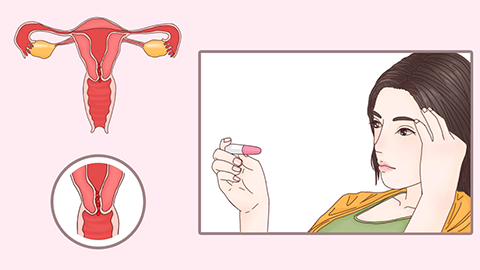
Prenatal examinations begin with assessing factors such as the woman's age, menstrual cycle, and whether she has experienced difficult labor, stillbirth, or other modes of delivery. Then, the pregnant woman’s personal health status is evaluated, including whether she has conditions such as hypertension or heart disease.

Additionally, information about the timing and progression of early pregnancy is collected, including whether there has been fever, viral infection, or other discomforts, as well as details about medication use during pregnancy. The husband’s health condition and family medical history are also reviewed, with attention paid to any absence issues or hereditary diseases. We hope this answer is helpful to you. Wishing you good health and happiness!







