


What should I do if my baby doesn't like to eat?
Dec 29, 2022
Source: Cainiu Health

Dr. Zhao Haiming
Introduction
You can encourage your child to eat better by offering more support and patience, ensuring that the child does not develop negative emotions toward eating, such as psychological stress, conflicts with parents, or bad moods. Positively teach children not to be picky eaters and not to refuse food just because it doesn't taste good, let alone throw tantrums, cry, or act out during meals. It's especially important to provide positive guidance at mealtimes.
A healthy diet is essential for a baby's strong physical development. However, in real life, some babies often show little interest in eating, which causes great concern for parents. What should you do when your baby refuses to eat?
What to Do When Your Baby Refuses to Eat
When a baby lacks interest in food, parents should offer more encouragement and patience, avoiding creating negative emotions around mealtimes—such as psychological stress, conflicts with parents, or feelings of unhappiness—that may lead the child to refuse eating. Proper communication can effectively reduce these negative emotions and strengthen the parent-child relationship.
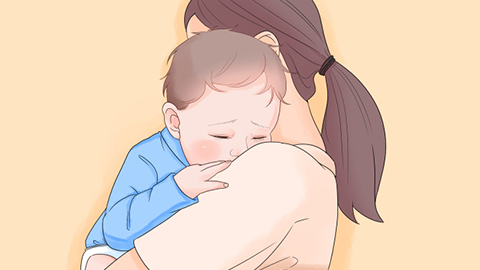
Actively teach children not to be picky eaters and not to reject food simply because they find it unappealing, or act out with tantrums, crying, or rolling on the floor. Especially during mealtimes, consistent and positive guidance is important. Indulging the child will only make the problem worse—the more permissive the parents are, the harder it becomes for the child to eat properly. Avoid becoming overly anxious or stressed about the child’s refusal to eat. Instead, choose to calmly ignore such behavior at times. When the child feels hungry, they will often start eating on their own. Parents should remain calm and avoid overreacting, as excessive attention may reinforce the undesirable behavior.

If your baby is a picky eater or prefers snacks over meals, it's important to help them develop good eating habits—avoiding both pickiness and food preferences. Introduce complementary foods timely when the baby reaches the appropriate age. Ensure the baby’s diet is balanced and nutritionally sound, limiting fried, greasy, or hard-to-digest foods, which may contribute to poor appetite. We hope this information helps you. Wishing you good health and happiness!






