What are the treatment methods for rectal bleeding?
Dec 29, 2022
Source: Cainiu Health

Dr. Li Mingchuan
Introduction
The cause of rectal bleeding needs to be identified. Bleeding during bowel movements is commonly associated with anorectal conditions such as anal fissures, internal hemorrhoids, or rectal tumors, and may also occur in blood disorders such as thrombocytopenia or coagulation factor deficiencies. Specifically, it is necessary to consult a proctologist for a digital rectal examination or anoscopy, which can help locate the exact site and determine the underlying cause of bleeding, enabling targeted treatment.
Some people may experience blood in their stool during daily life, which can cause significant discomfort and restlessness, affecting their quality of life. What are the treatment options for rectal bleeding?
What Are the Treatment Options for Rectal Bleeding?
Under a doctor's guidance, hemostatic medications such as Yunnan Baiyao capsules may be used to control rectal bleeding. However, it is essential to identify the underlying cause. Blood in the stool is commonly associated with anorectal conditions such as anal fissures, internal hemorrhoids, or rectal tumors. It may also occur due to blood disorders like thrombocytopenia or coagulation factor deficiencies. Specifically, patients should consult a proctologist who may perform a digital rectal examination or anoscopy to locate the exact source and cause of bleeding, enabling targeted treatment. For example, if recurrent bleeding occurs due to anal fissures or internal hemorrhoids, surgical intervention may be considered. In cases of occasional bleeding, hemostatic drugs and symptomatic treatment may suffice, followed by continued observation.
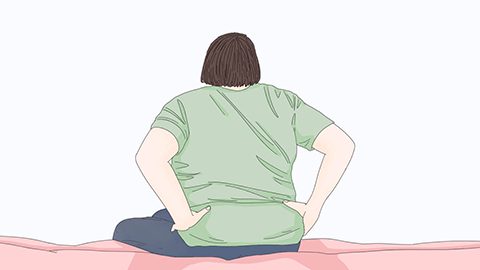
Rectal bleeding is often caused by anal fissures, primarily resulting from constipation, hard stools, or sticky bowel movements. When passing stool, the skin around the anus may tear, leading to bleeding and pain. This condition can be treated conservatively or surgically, depending on severity.
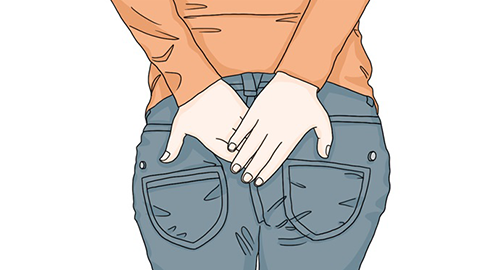
Hemorrhoids are a common cause of bleeding around the anus. When hemorrhoids are large or when stools are hard and dry, the mucosal surface may become abraded, resulting in bleeding. Topical ointments can help stop the bleeding, and surgery may be required in severe cases. We hope this information is helpful. Wishing you good health and a happy life!