


What is depression called in traditional Chinese medicine?
Dec 29, 2022
Source: Cainiu Health

Dr. Li Man
Introduction
Traditional Chinese medicine also refers to depression. Depression is a common mental disorder characterized by low mood, slowed thinking, and reduced speech. It can sometimes severely affect the patient's life and work, imposing a burden on families and society. The development of depression is often due to certain feelings or emotions being suppressed. You can talk about your troubles with friends and relatives, which will help alleviate depression.
In traditional Chinese medicine, depression is also known as "Yu Zheng" (depression syndrome). Depression is a common mental disorder characterized by low mood, slowed thinking, and reduced speech. It can severely affect a person's daily life and work, placing a burden on families and society.
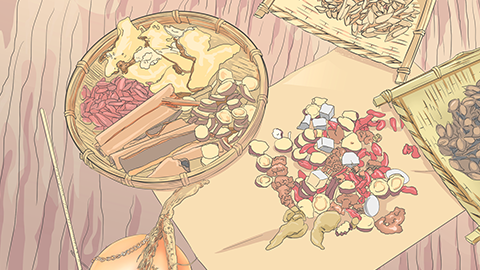
What is depression called in traditional Chinese medicine?
Depression often develops when certain emotions or feelings are suppressed. Talking about your troubles with friends or family members can help alleviate depression. You may also consciously participate in various social activities and make new friends. These approaches often prove more effective than medication.
It is recommended to eat more foods rich in vitamin B and amino acids, such as whole grains, fish, green vegetables, and eggs. Avoid taking drugs that stimulate the nervous system, such as contraceptives.
Depression is a commonly seen clinical condition. Patients may experience hallucinations, delusions, insomnia, pessimism, loss of interest in life, and even suicidal tendencies. Additionally, physical symptoms such as low mood, reduced motivation, and decreased activity may occur. From the perspective of traditional Chinese medicine, depression corresponds to conditions known as "Yu Zheng" (depression) and insomnia. It is generally caused by emotional distress and stagnation of qi (vital energy), manifesting as depressed mood, restlessness, chest tightness, pain in the ribs or abdomen, difficulty falling asleep, frequent awakening, or even complete sleeplessness, as well as irritability, forgetfulness, fatigue, dizziness, timidity, and palpitations.

Depression can be categorized into mild and severe forms, with severe cases potentially life-threatening. Therefore, individuals experiencing depression are advised to seek timely medical attention and receive treatment under the guidance of a healthcare professional.



